Luis Octavio
CV ↓

EldenRing:CharacterCreationRedesign

100%

Task completion

All 5 testers completed without abandoning or randomizing

Elden Ring: Character Creation Redesign
01

Objective

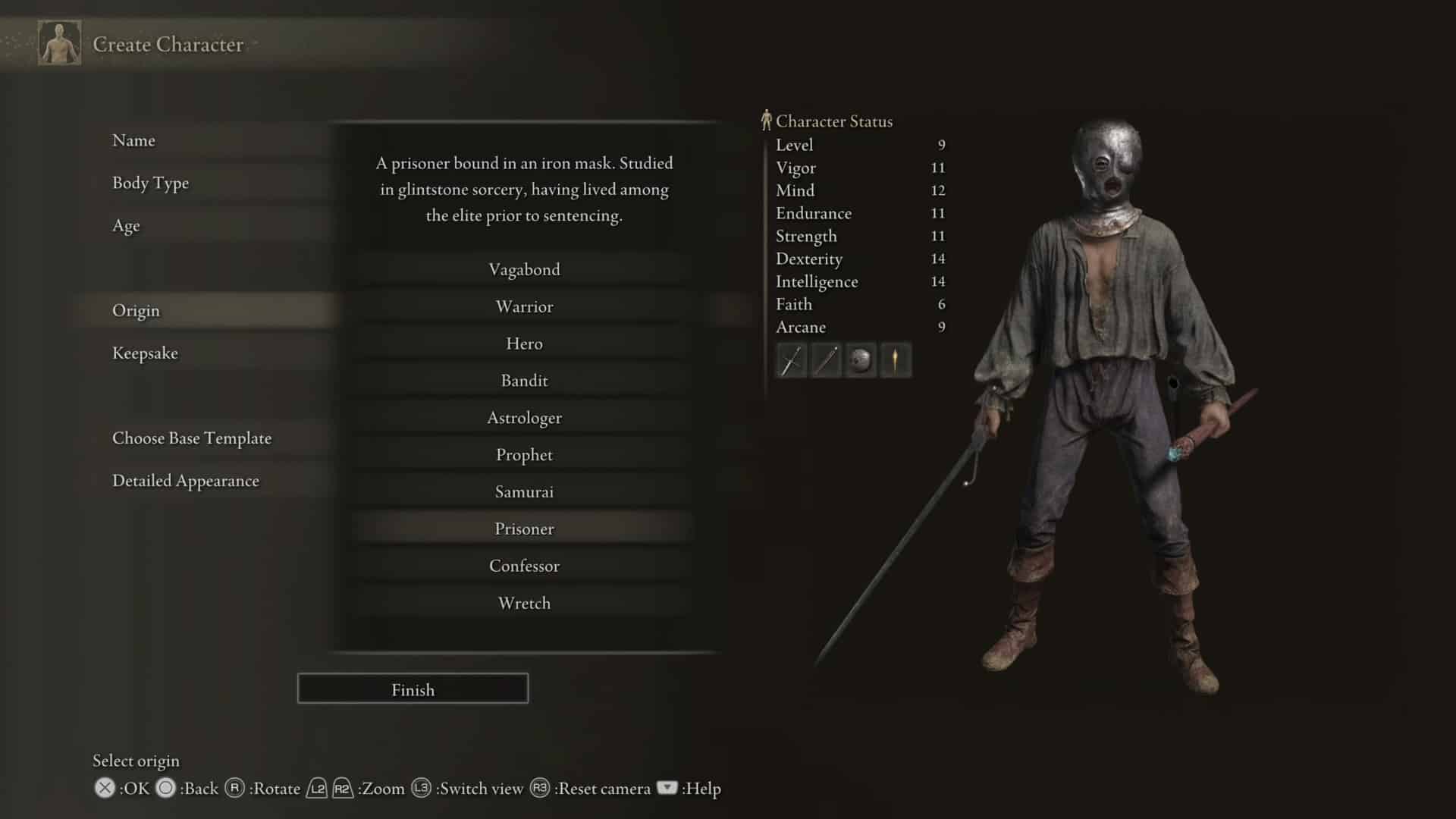
Elden Ring throws players into one of the most complex character creation screens in the genre with almost no guidance. For new players, the volume of choices creates a kind of paralysis before the game has even started.

The goal: reduce cognitive overload without reducing depth. The complexity has value — the problem is how the information is organized and surfaced.
ERG-OBJ-01--full
02

Research & Analysis

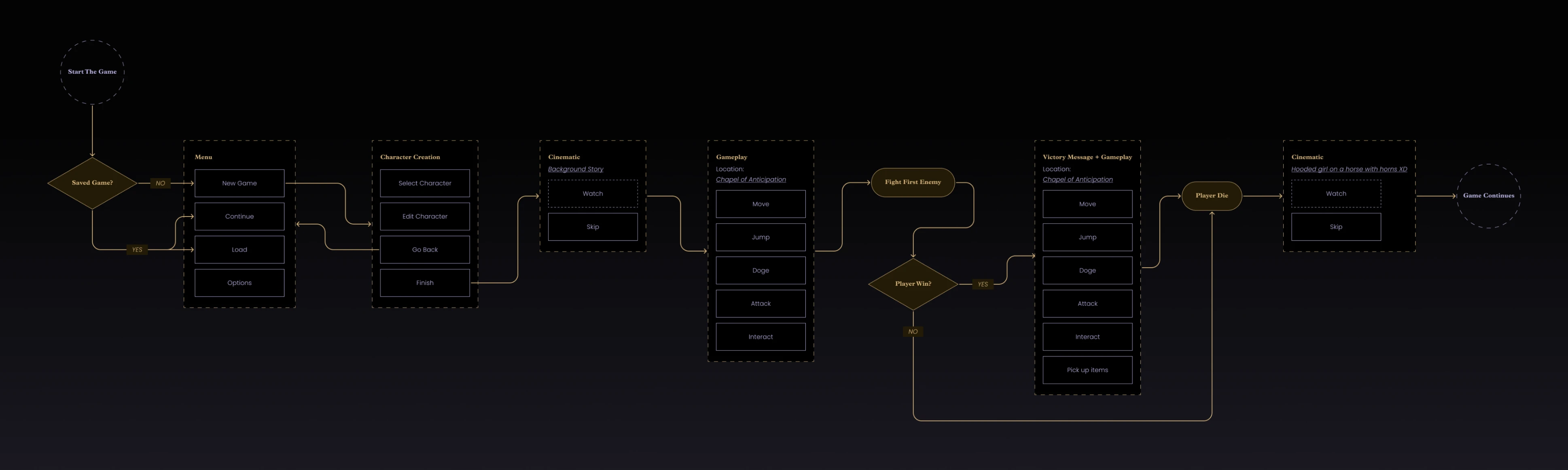
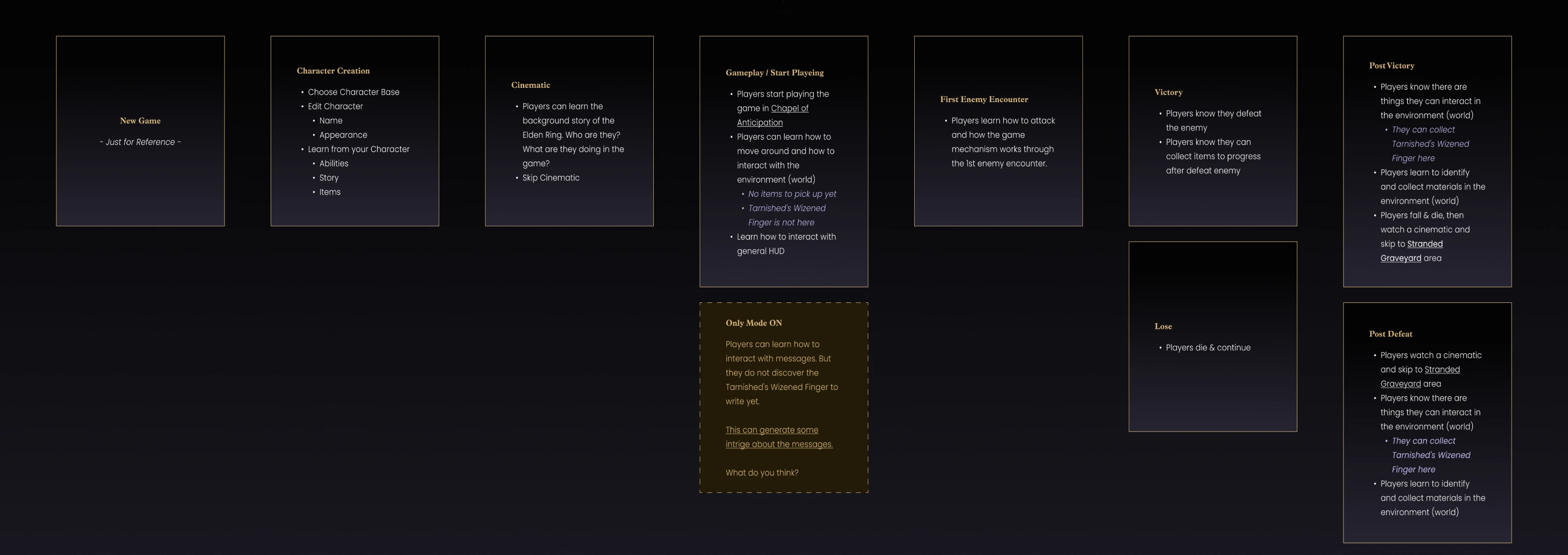
Mapped friction across the early-game flow — character creation, opening cinematic, first combat encounter. Focused on moments of hesitation: where players slowed down, reread, or gave up and randomized a choice. Two areas concentrated most of the friction:
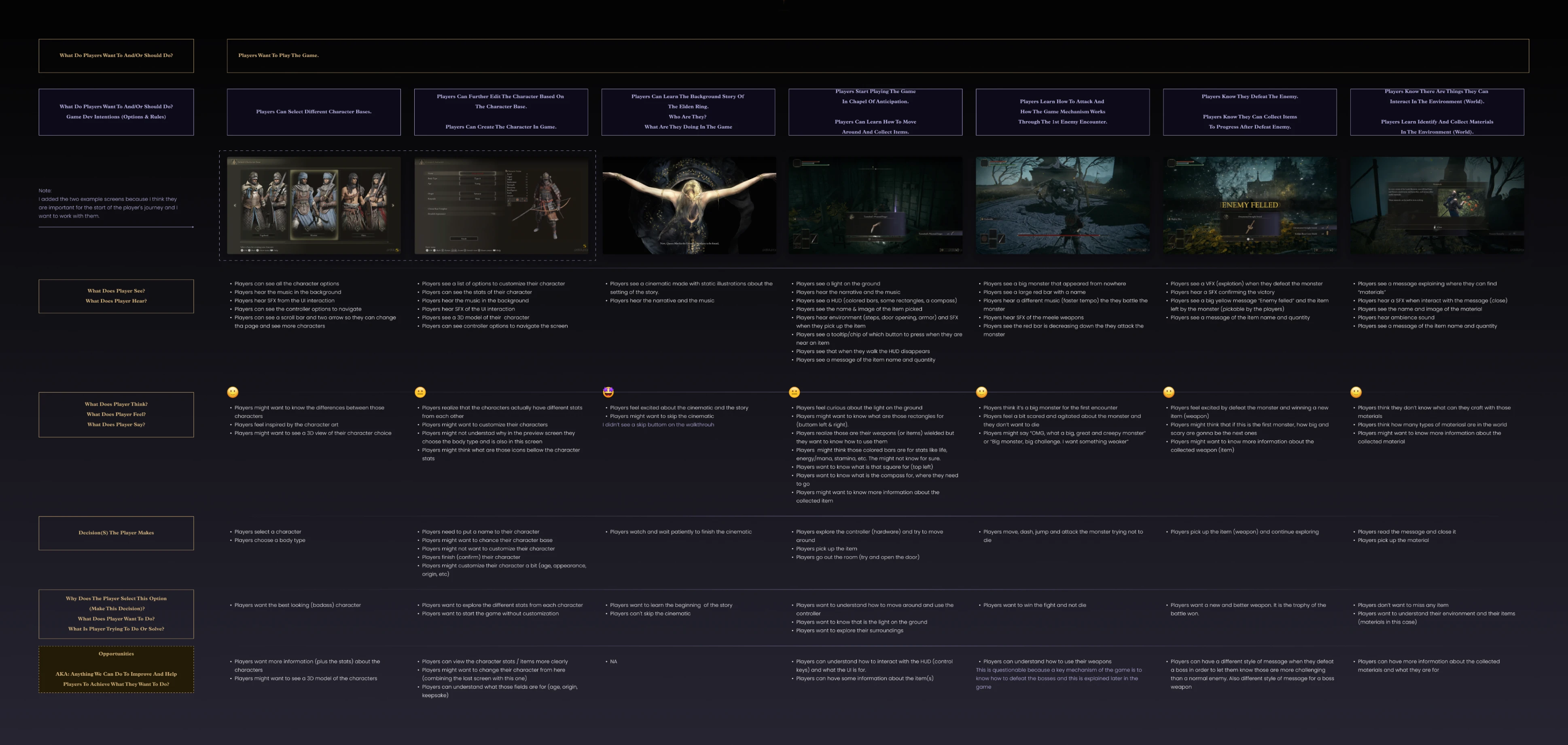
High friction
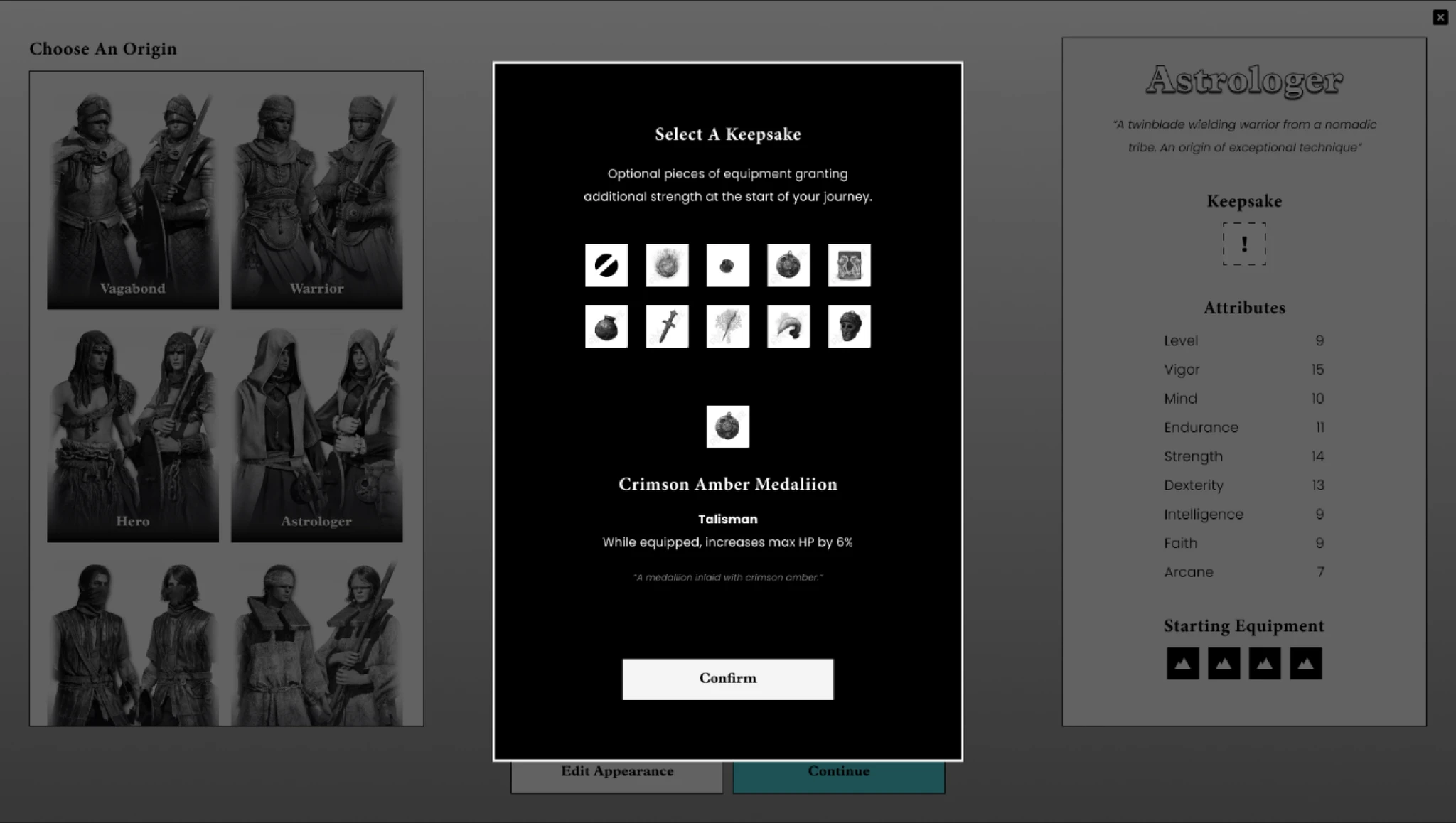
Keepsake selection
Missed entirely on first pass by most players. The section sits below the fold with no visual emphasis — players completed character creation without noticing it existed.
High friction
Origin descriptions
Assumed stat knowledge that new players don't have. Terms like "Vigor" and "Mind" are undefined — players either randomized or picked by name alone.
ERG-RES-01--full
ERG-RES-02--2
ERG-RES-03--2
03

Wireframes V1

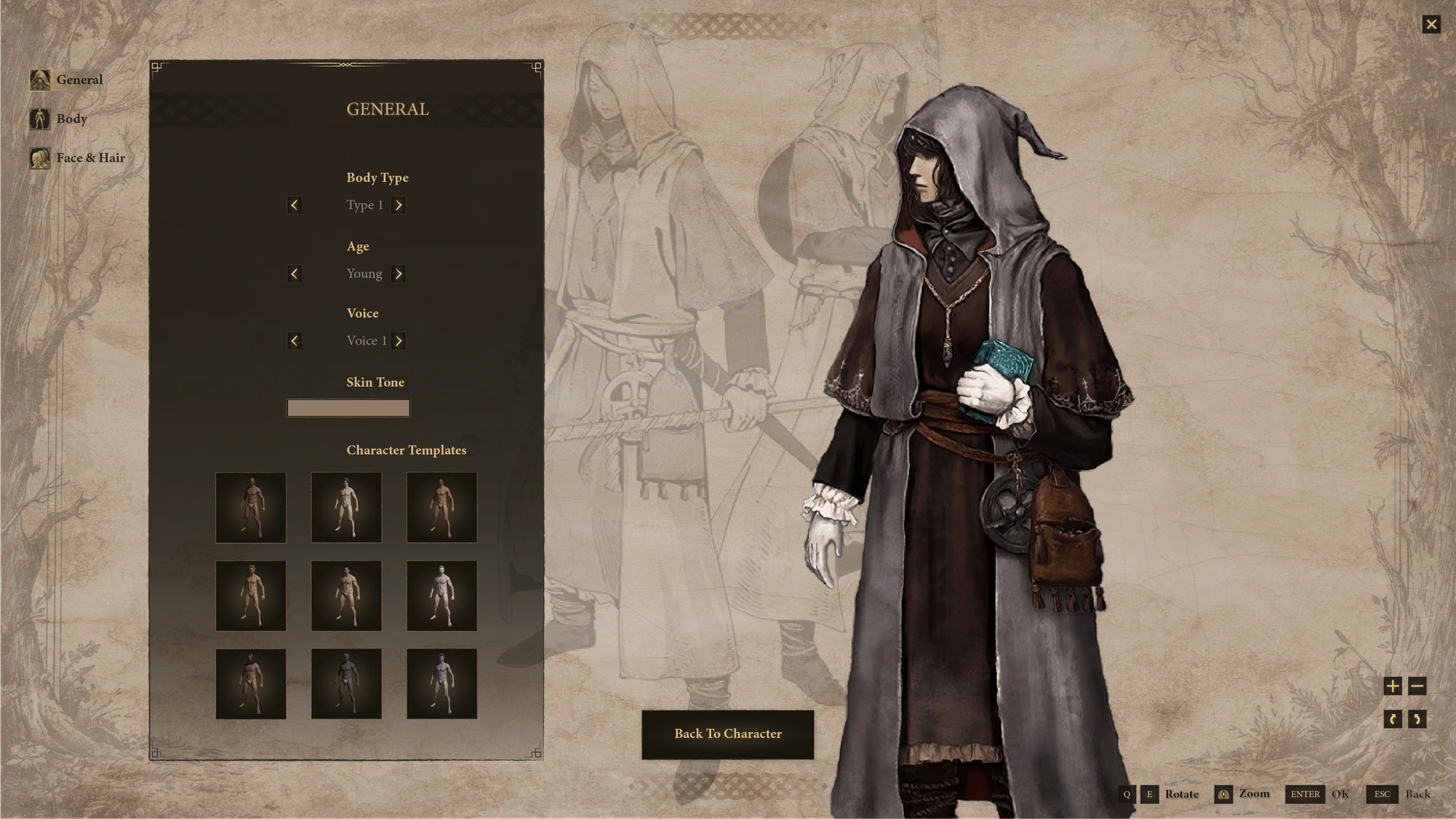
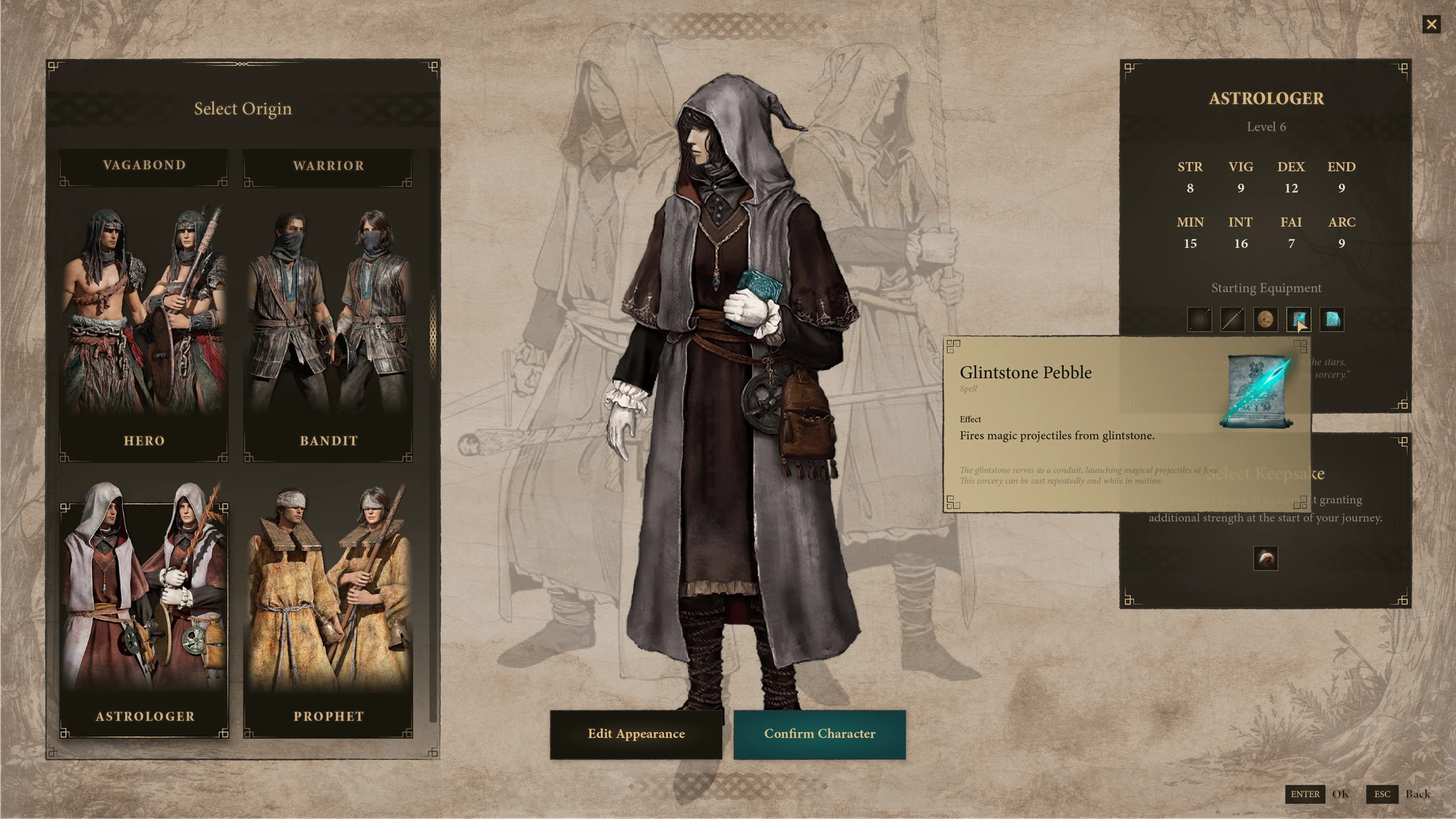
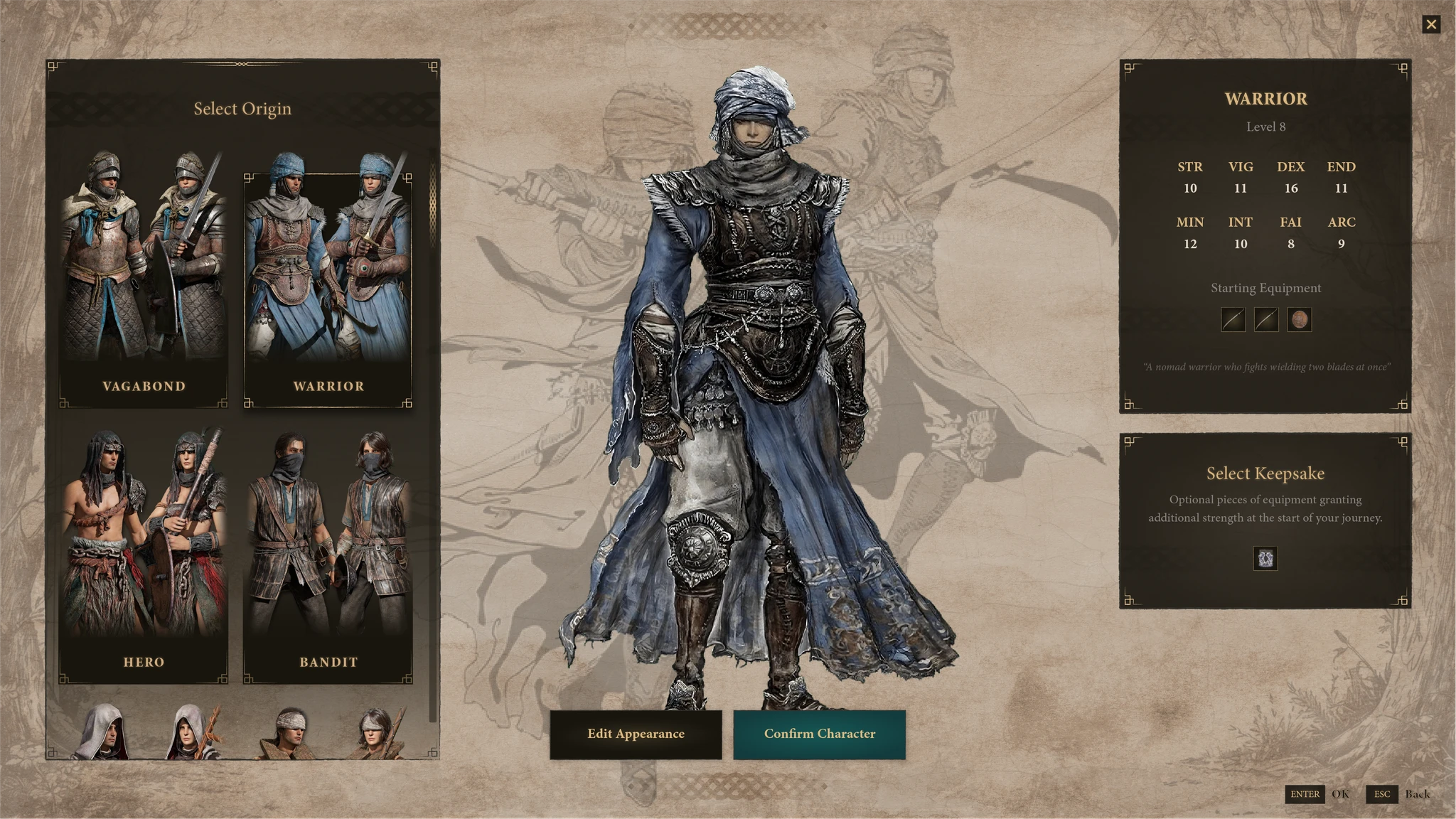
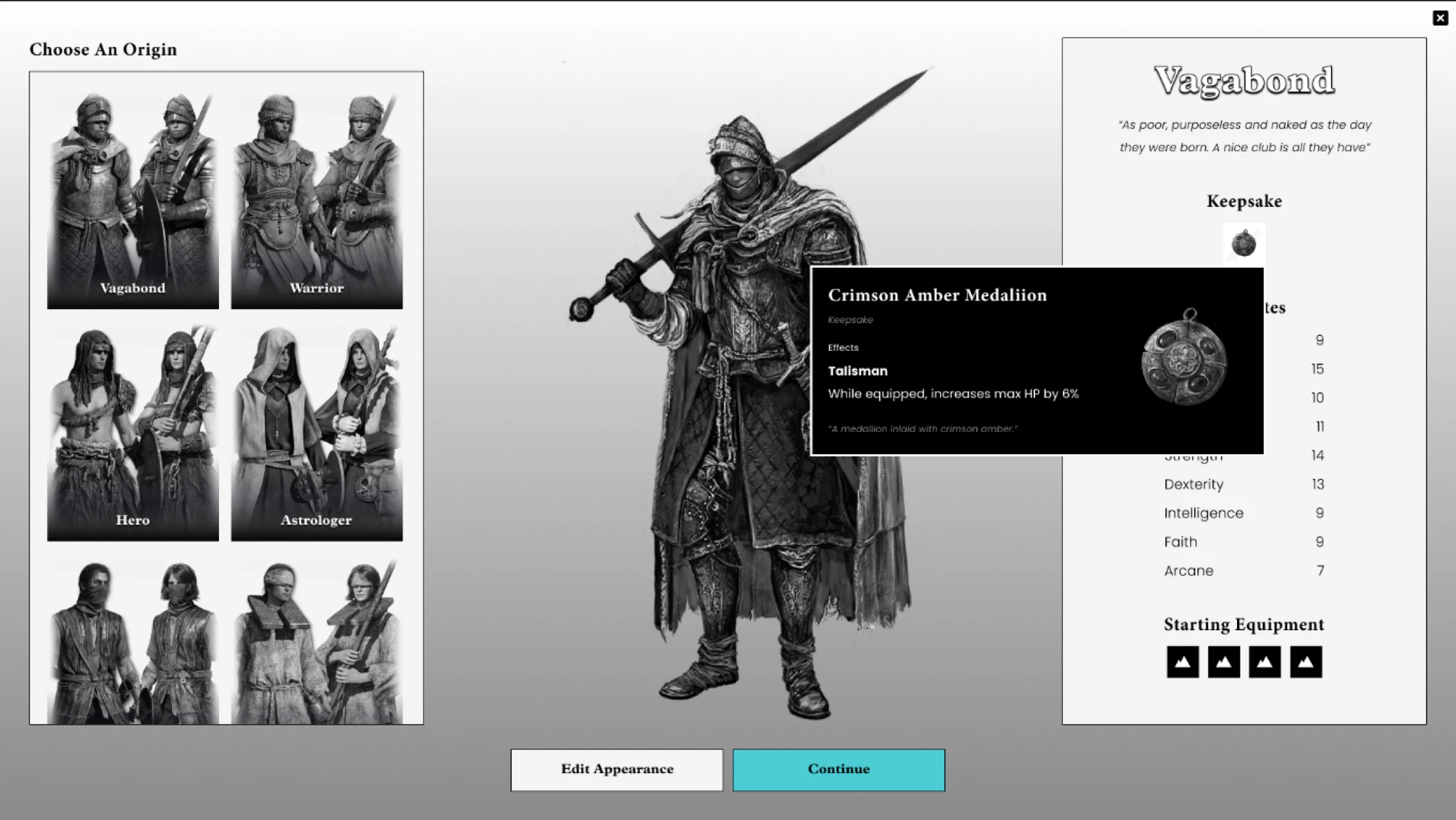
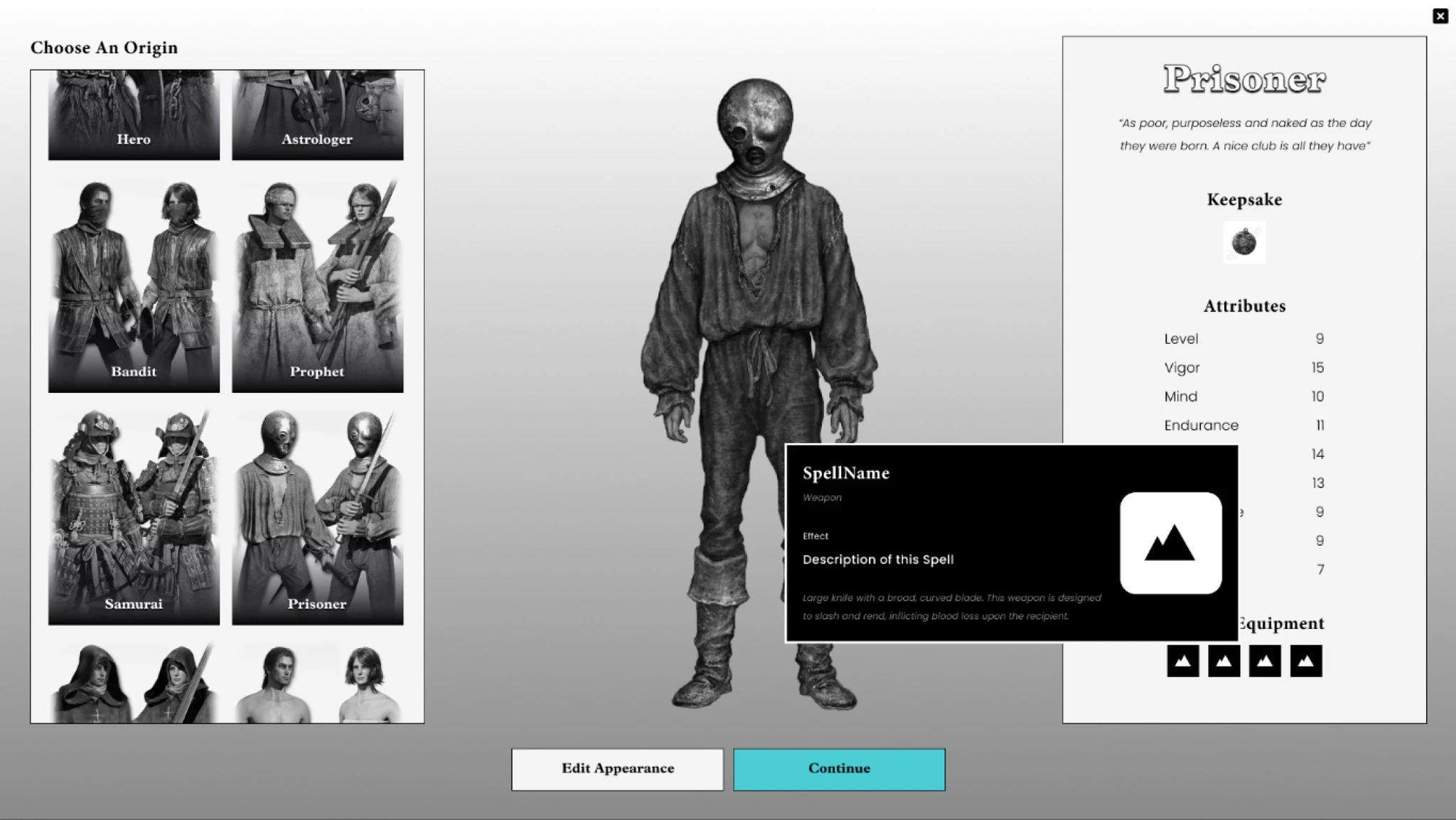
Prototyped a new flow based on the friction map. Three structural changes drove the first version:
01
Layout
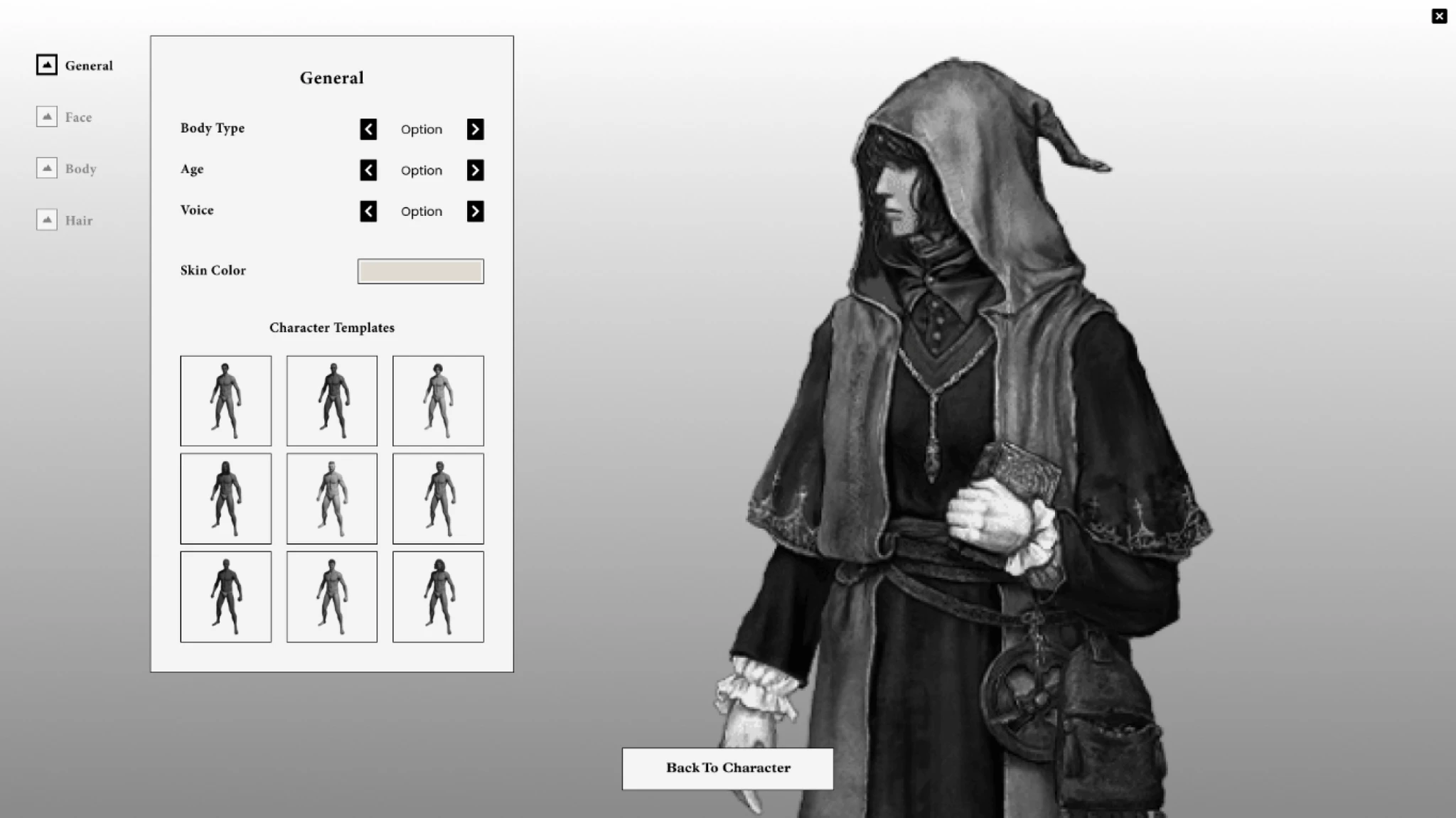
Panels reorganized around decision sequence. The natural order — class, appearance, keepsake — is now reflected in the screen structure, reducing back-and-forth navigation.
02
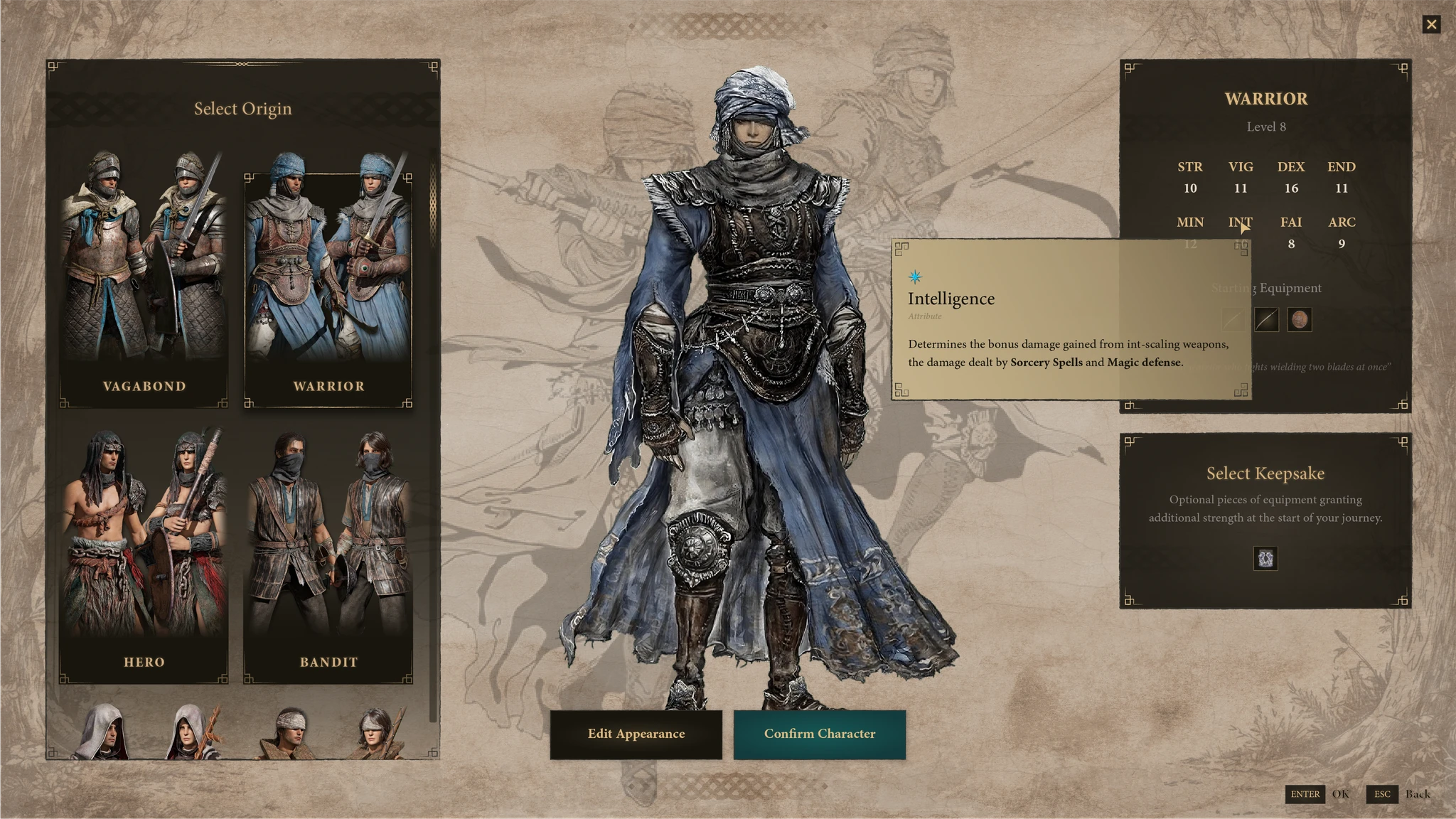
Contextual help
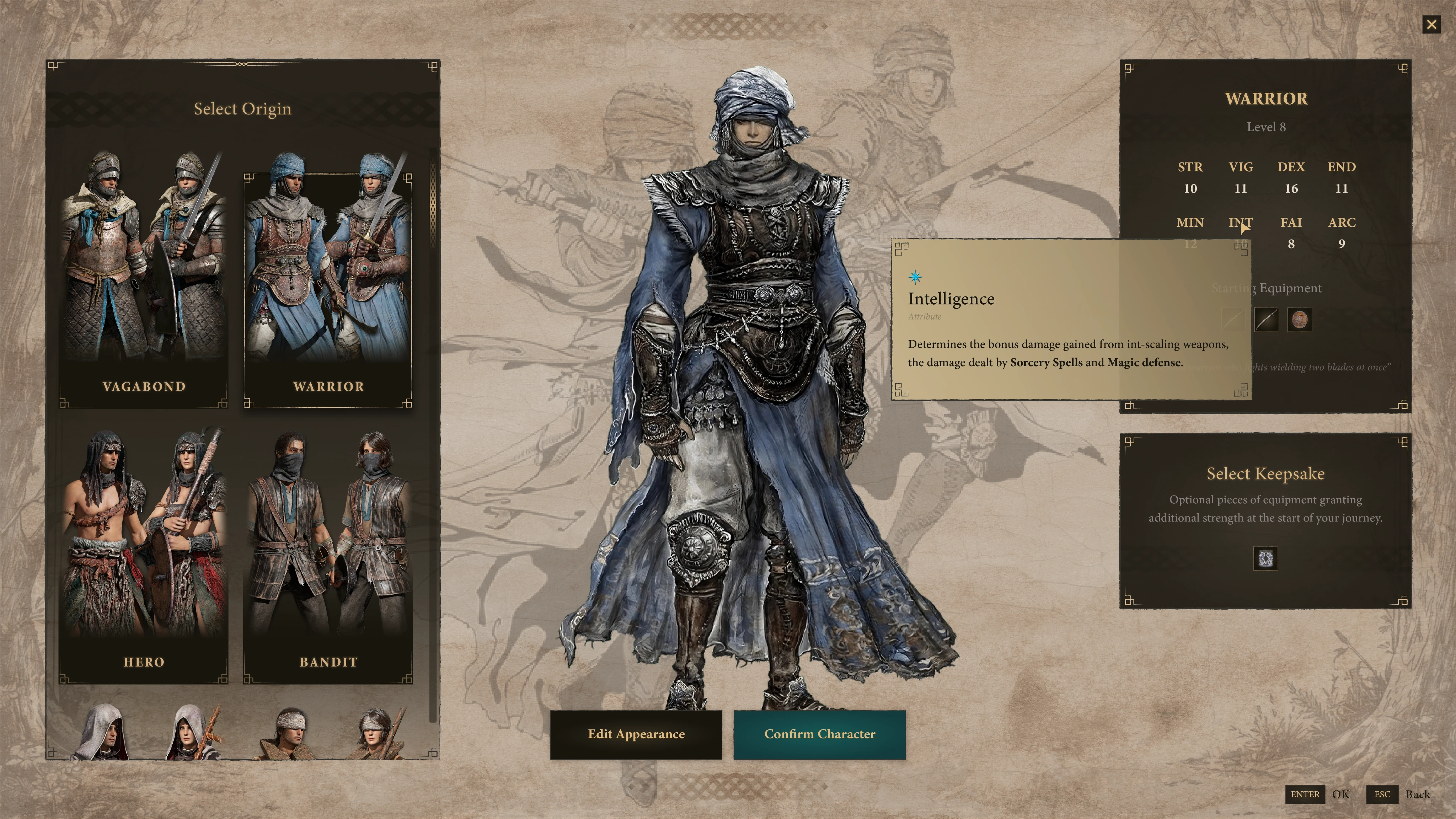
Stat explanations inline at each decision point. Hovering a stat surfaces a plain-language tooltip — no wiki needed. First-time and returning players both benefit without the UI becoming cluttered.
03
Action prominence
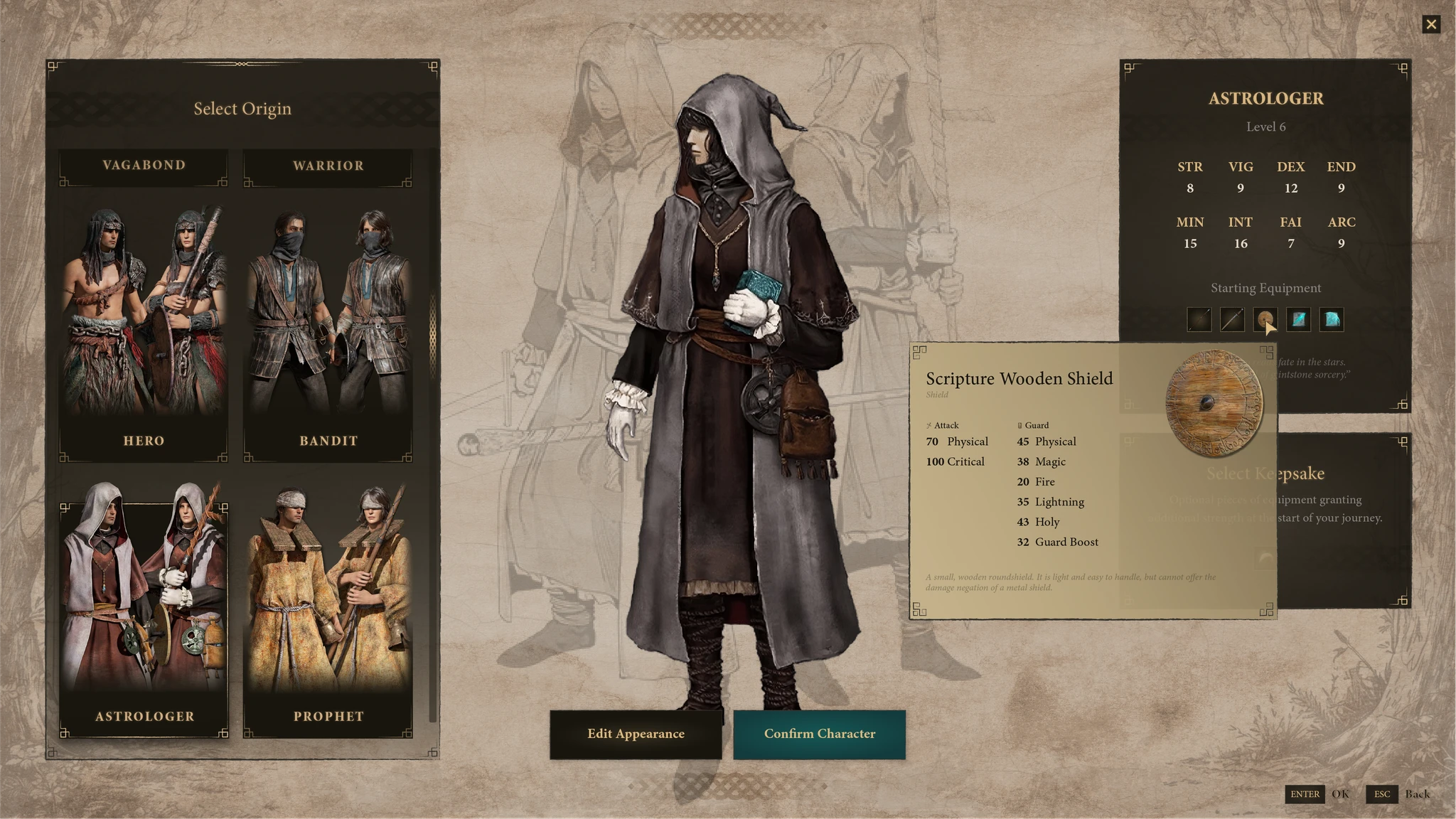
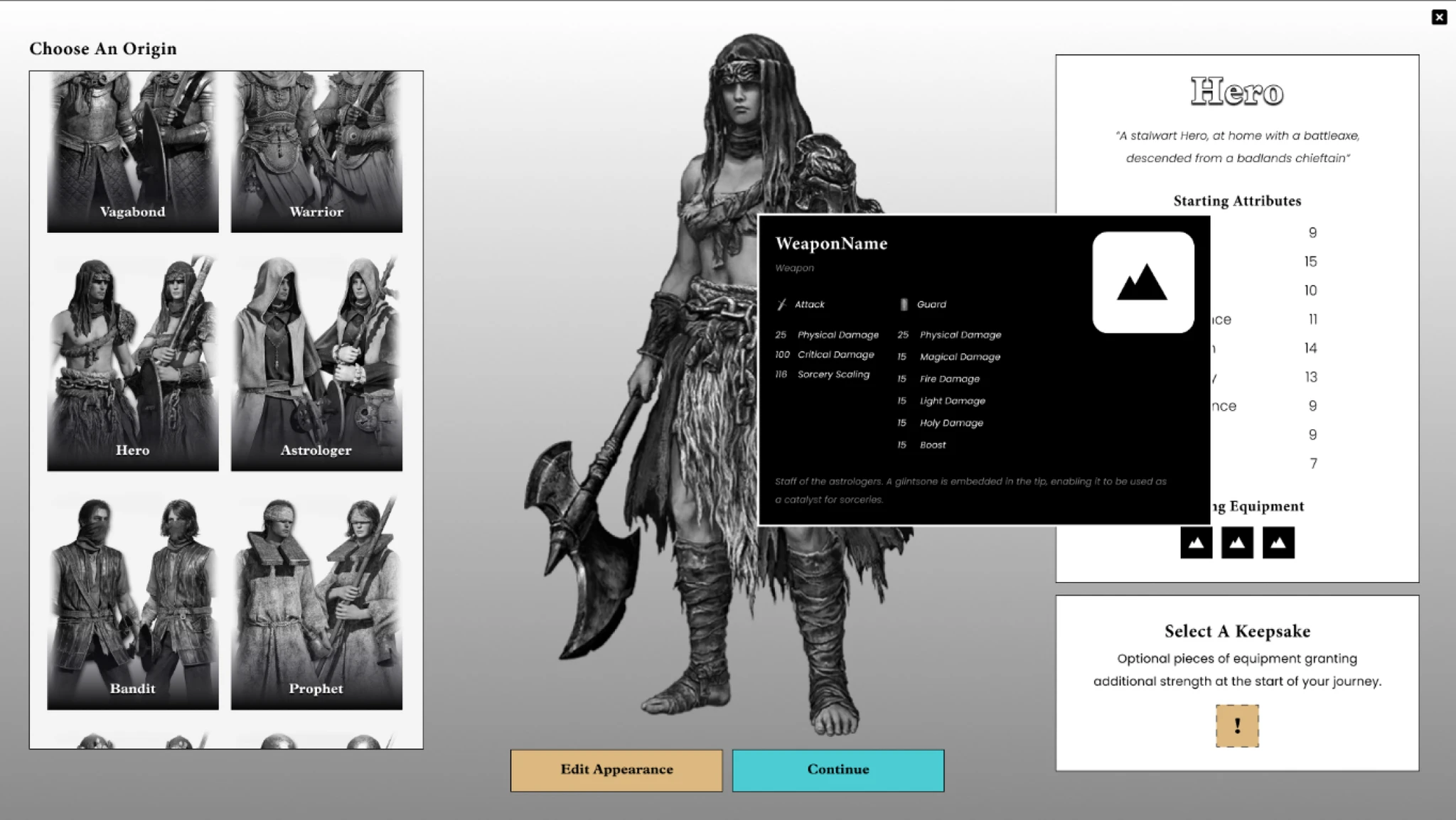
Keepsake and Edit Appearance made unambiguous. Both actions were demoted in the original UI. In V1 they are persistent, labeled, and positioned within the natural scan path.
ERG-WF1-01--3
ERG-WF1-04--3
ERG-WF1-02--3
ERG-WF1-03--3
04

Usability Testing & Iteration

The V1 prototype was tested and documented with 5 users — new and current Elden Ring players. As Jake Knapp notes in Sprint: "Five is the magic number. 85% of the problems were observed after just five people."
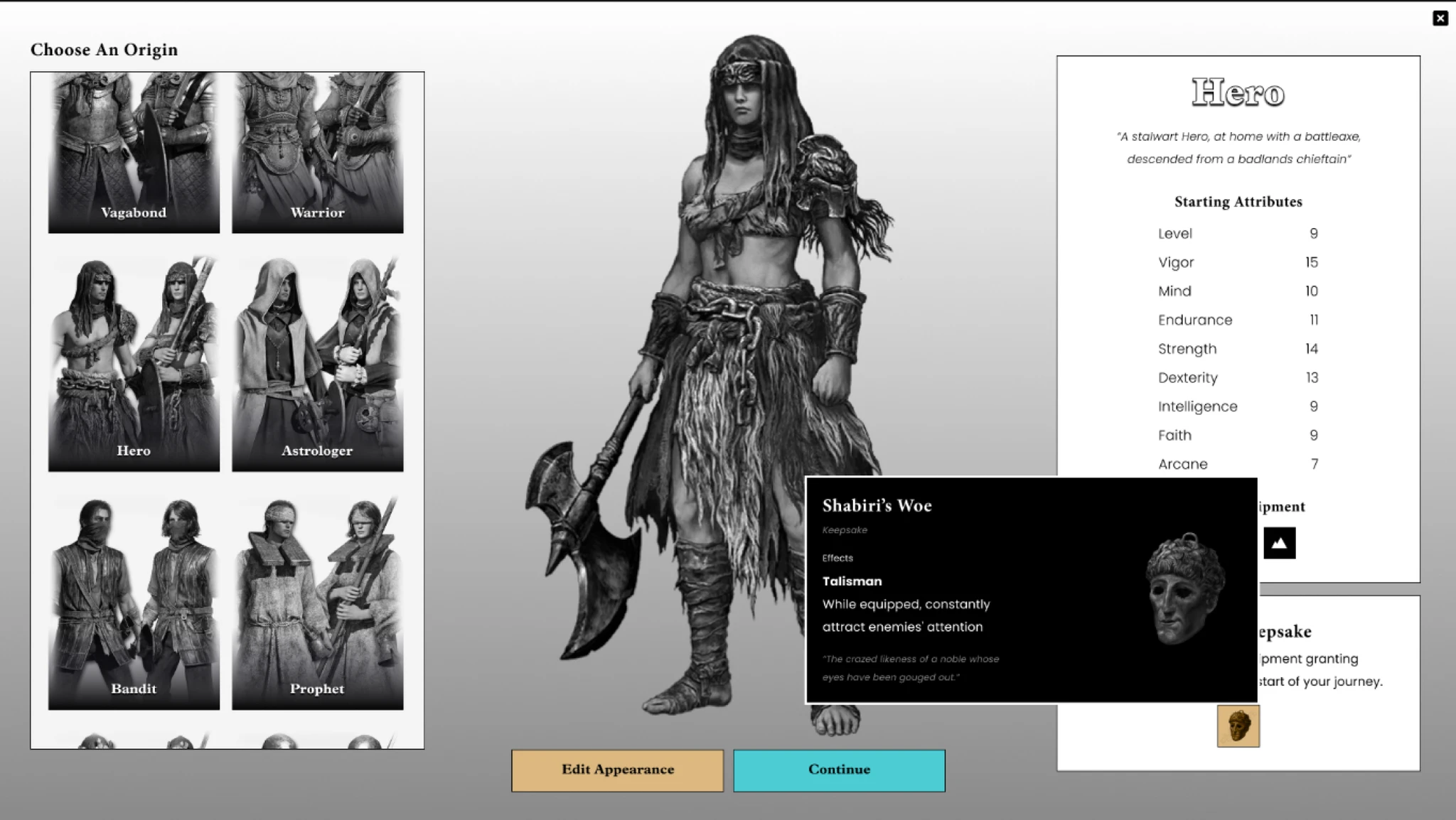
✓ Working
All tasks completed
Players moved through origin selection, appearance editing, and confirmation without dropping out or randomizing — except one area.
✓ Working
Origins layout and contextual hover received well
Both new and experienced players responded positively. Experienced players appreciated the faster scan; new players appreciated the explanations.
⚠ Needs iteration
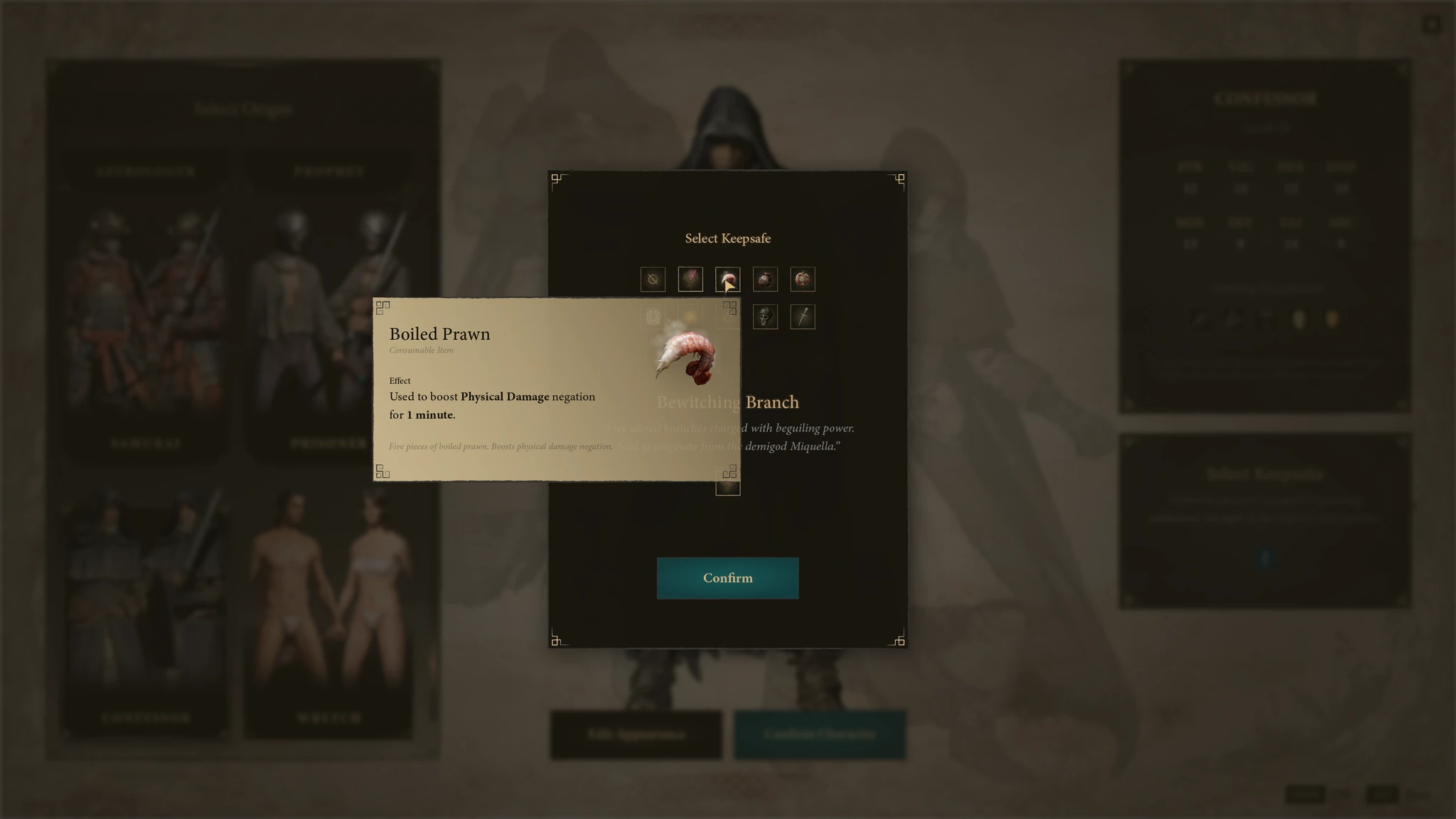
Keepsake info missing before selection
Players wanted to know what the keepsake does before choosing it. The current hover exposed the description too late in the interaction.
⚠ Needs iteration
Select Keepsake & Edit Appearance buttons unnoticed
Despite being present, both buttons went unnoticed at the start of the flow. Positioning and visual weight needed iteration.
ERG-WF2-01--2
ERG-WF2-02--2
05

Visual Design

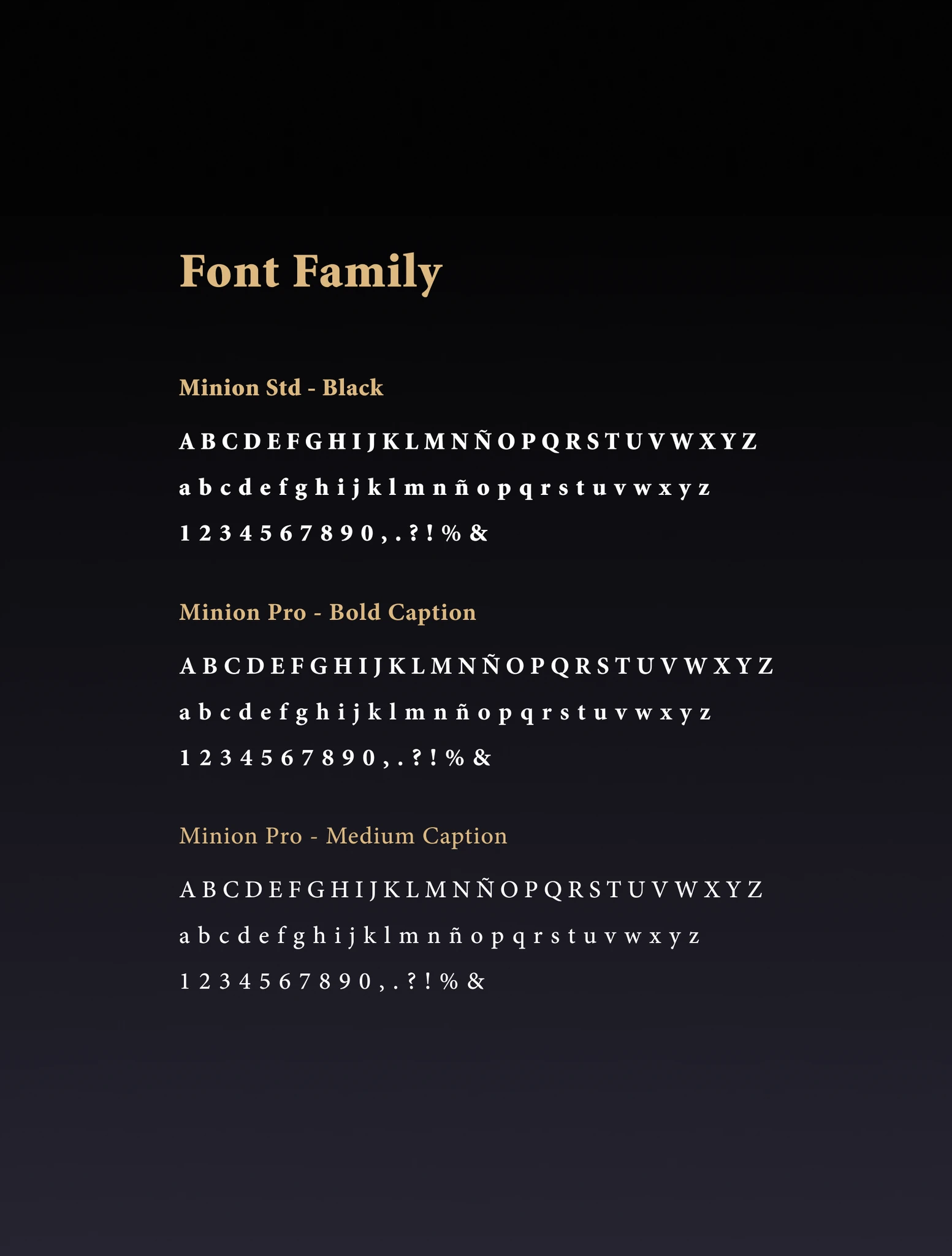
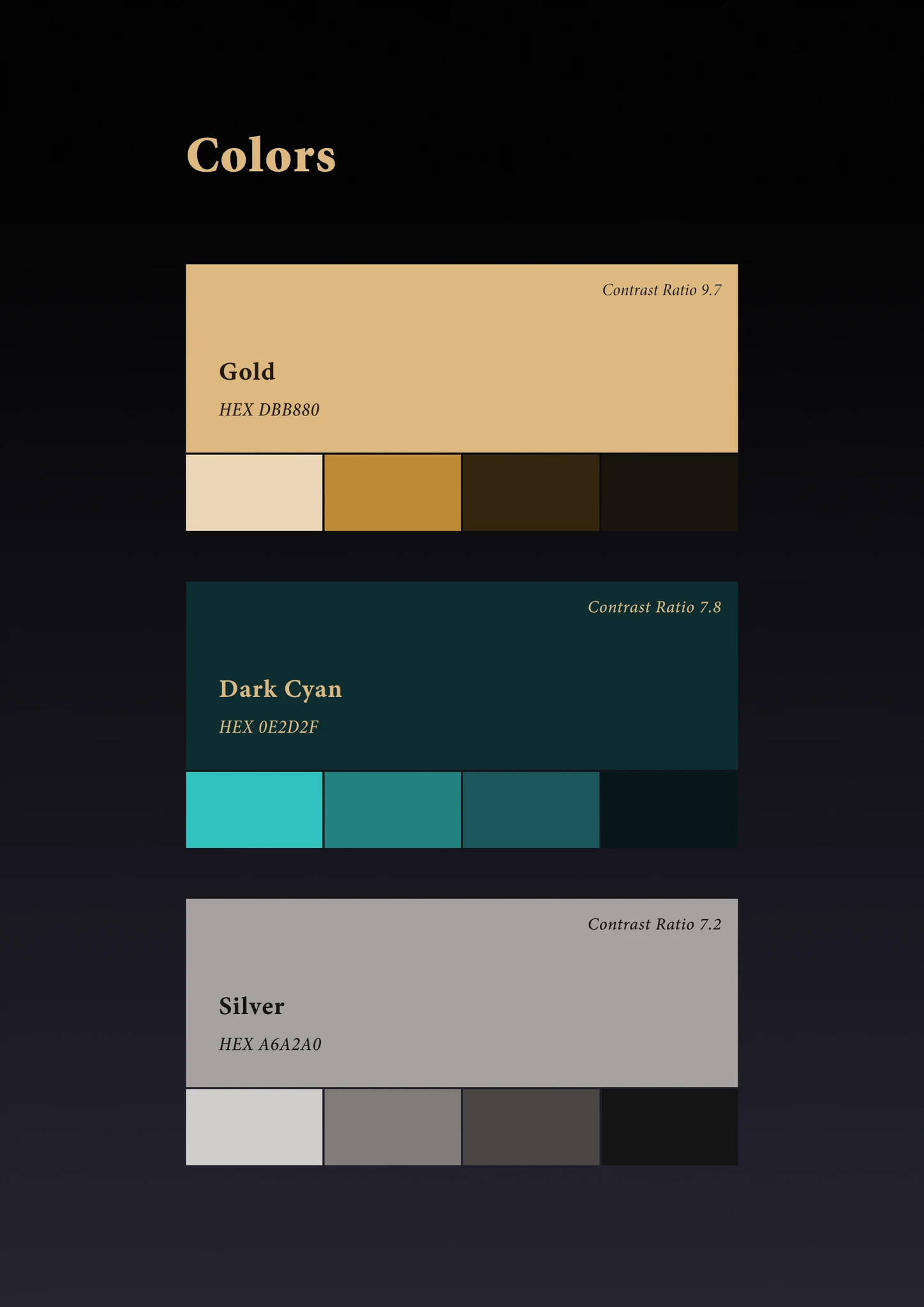
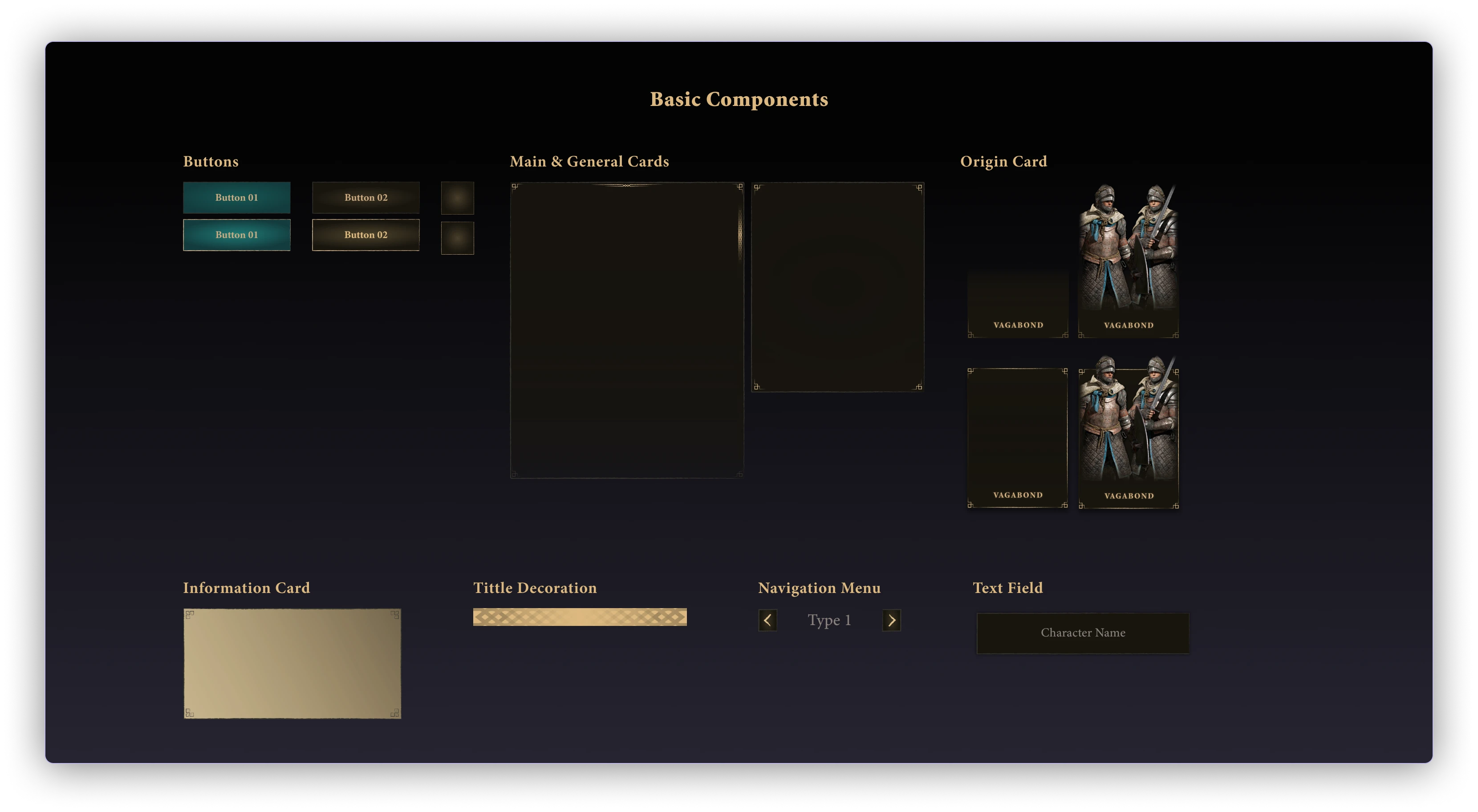
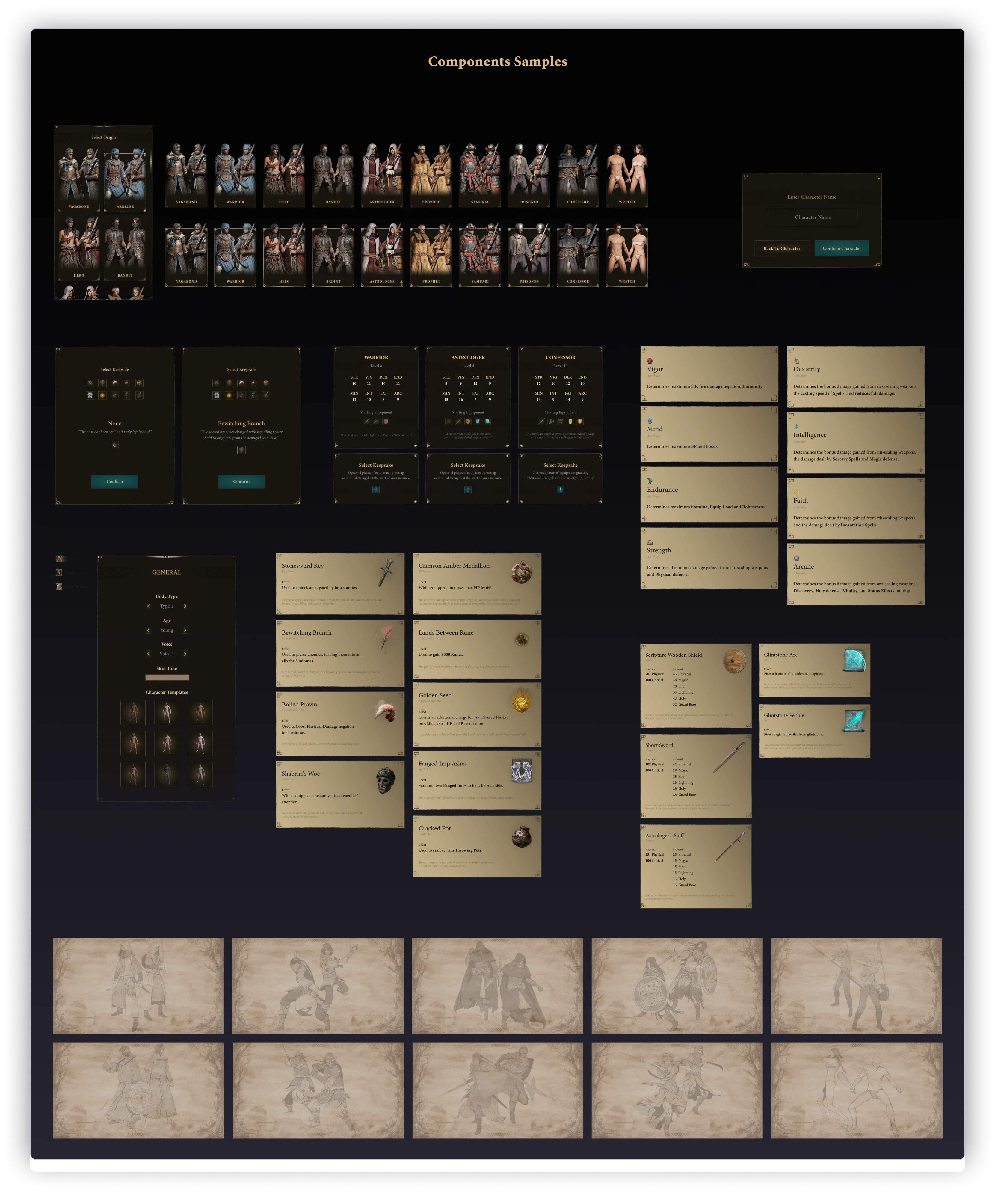
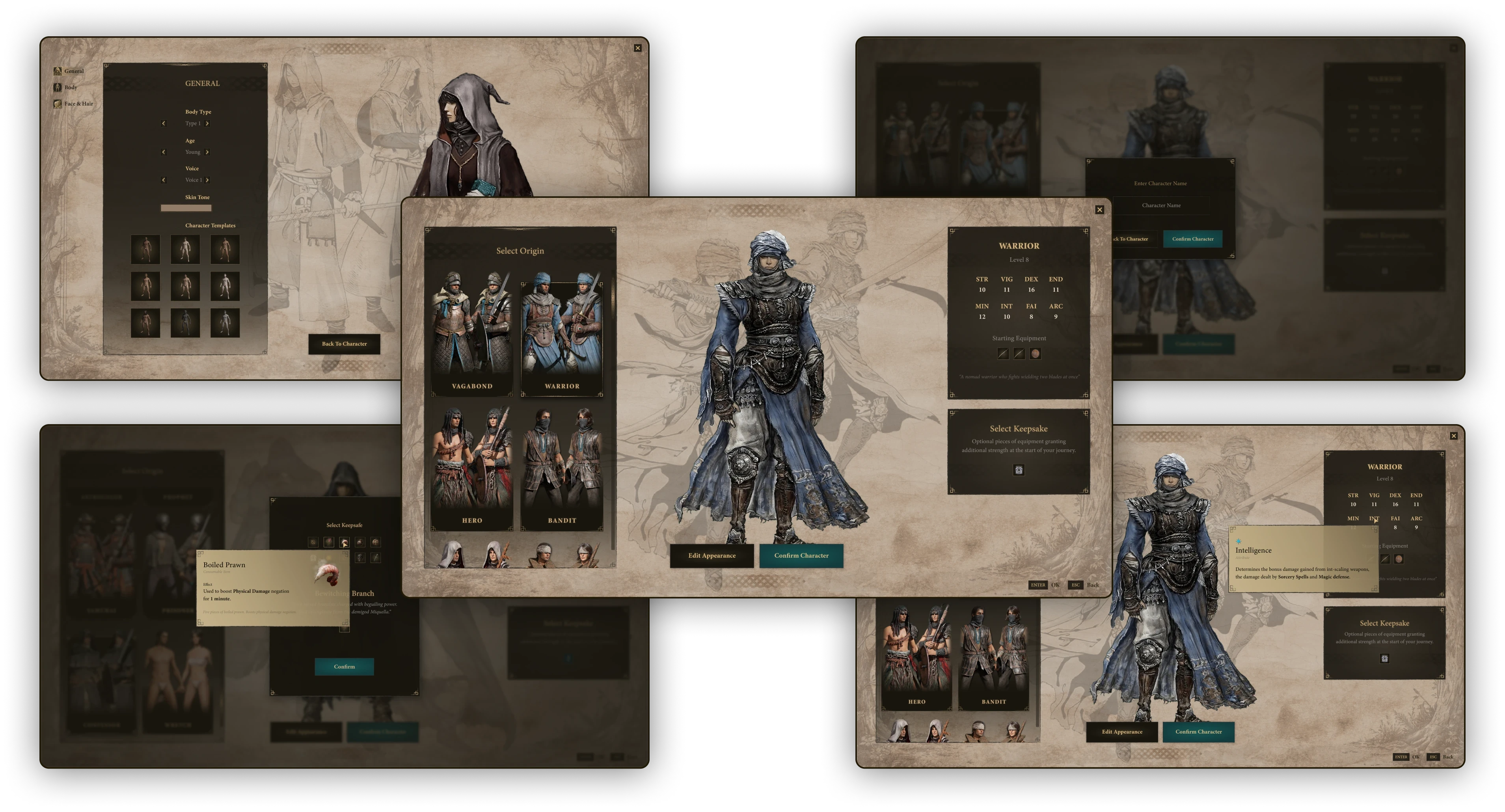
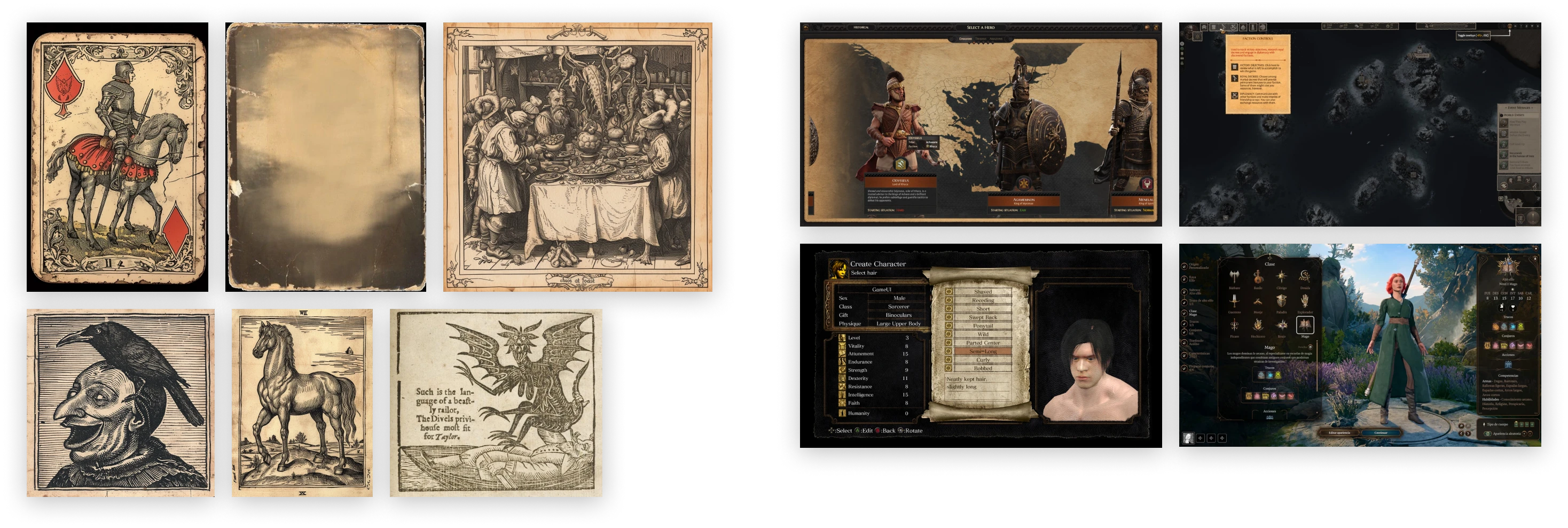
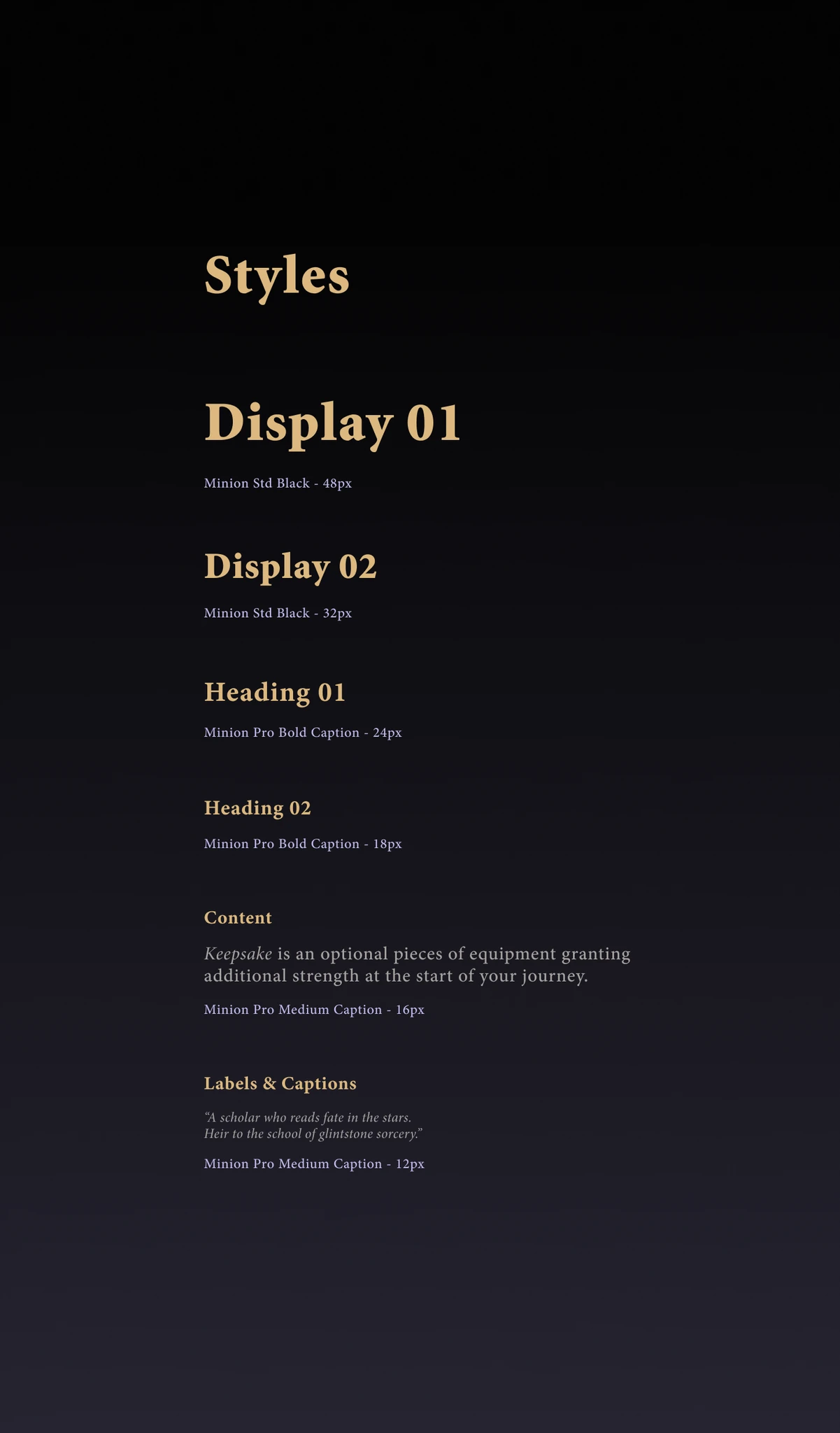
The visual direction had to walk a specific line: different enough to feel like a genuine proposal, close enough to the Elden Ring universe that it didn't feel like a different game.

Quieter than the current interface — less texture noise, more intentional use of space — while keeping the weight that characterizes the aesthetic.
ERG-VIS-MOOD--full
ERG-VIS-SG1--3
ERG-VIS-SG2--3
ERG-VIS-SG3--3
ERG-VIS-SG4--full
ERG-VIS-SG5--full
ERG-VIS-F1--3
ERG-VIS-F4--3
ERG-VIS-F7--3
ERG-VIS-F2--3
ERG-VIS-F5--3
ERG-VIS-F8--3
ERG-VIS-F3--3
ERG-VIS-F6--3
ERG-VIS-MOCK--full
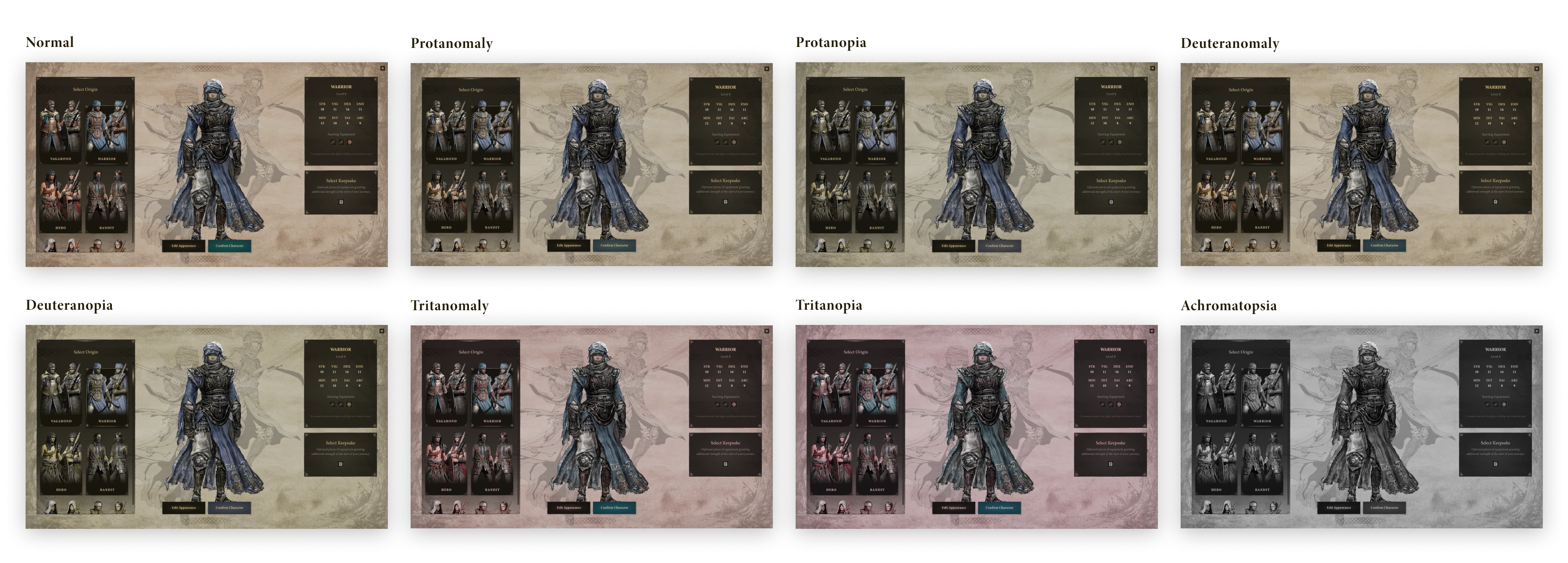
ERG-VIS-BLIND--full
06

UE5 Implementation

Implemented the first screen in UE5 using UMG — partial prototype to validate how the design held up in-engine.
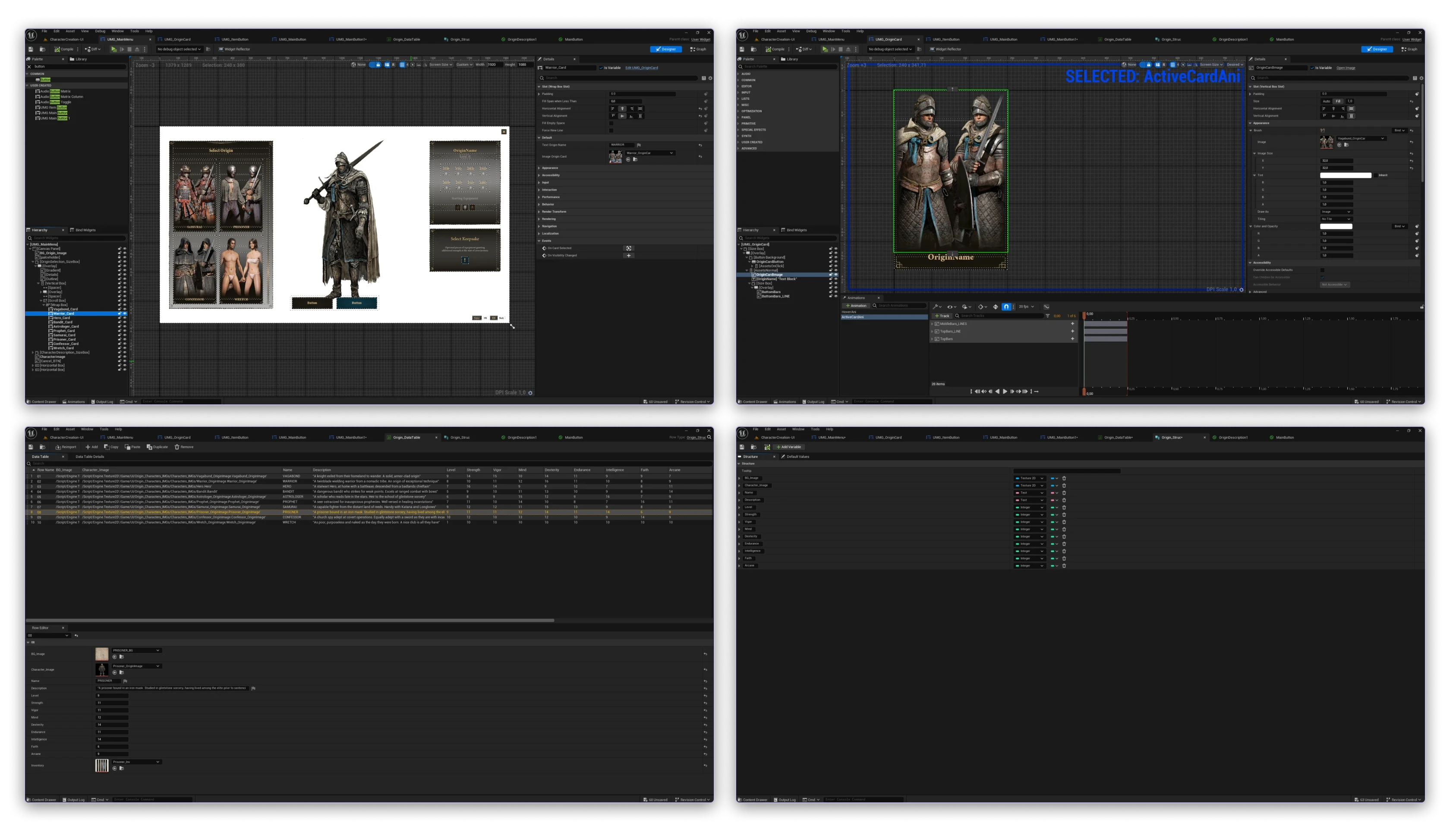
Data Tables & Structures
Dynamic content
Origin content reads from Data Tables — no hardcoded values in the widget. Swapping, adding, or localizing an origin requires zero Blueprint changes.
UI materials for card backgrounds
Performance
UI Materials instead of textures for card surfaces. Cheaper draw calls and better resolution independence — scales to any aspect ratio without artifacts.
Animated origin cards
Interaction
Hover states implemented in UMG match the Figma prototype timing. Each card scales and brightens on focus with a smooth curve, not a frame snap.
ERG-UE-01--2
07

Outcome

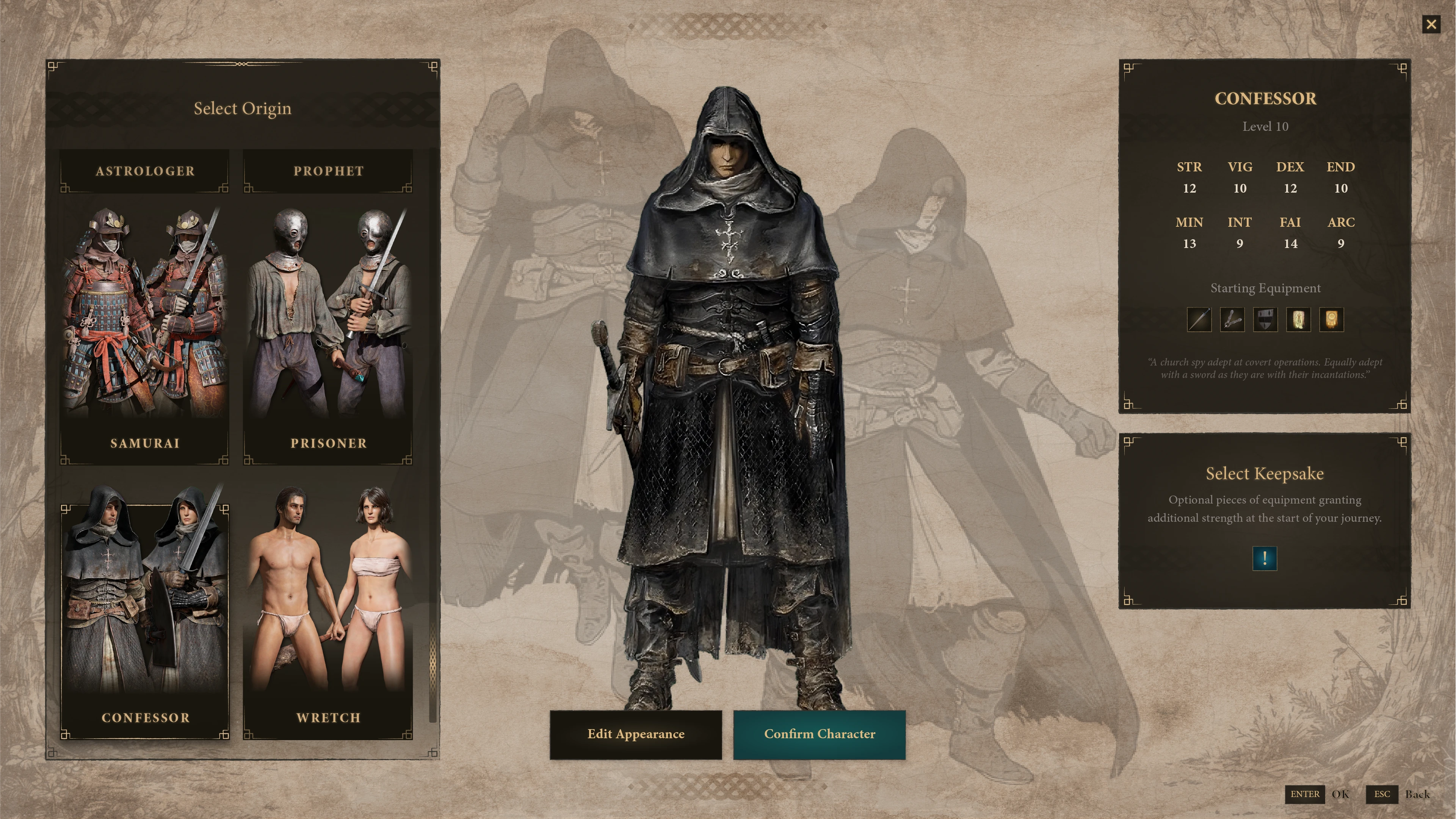
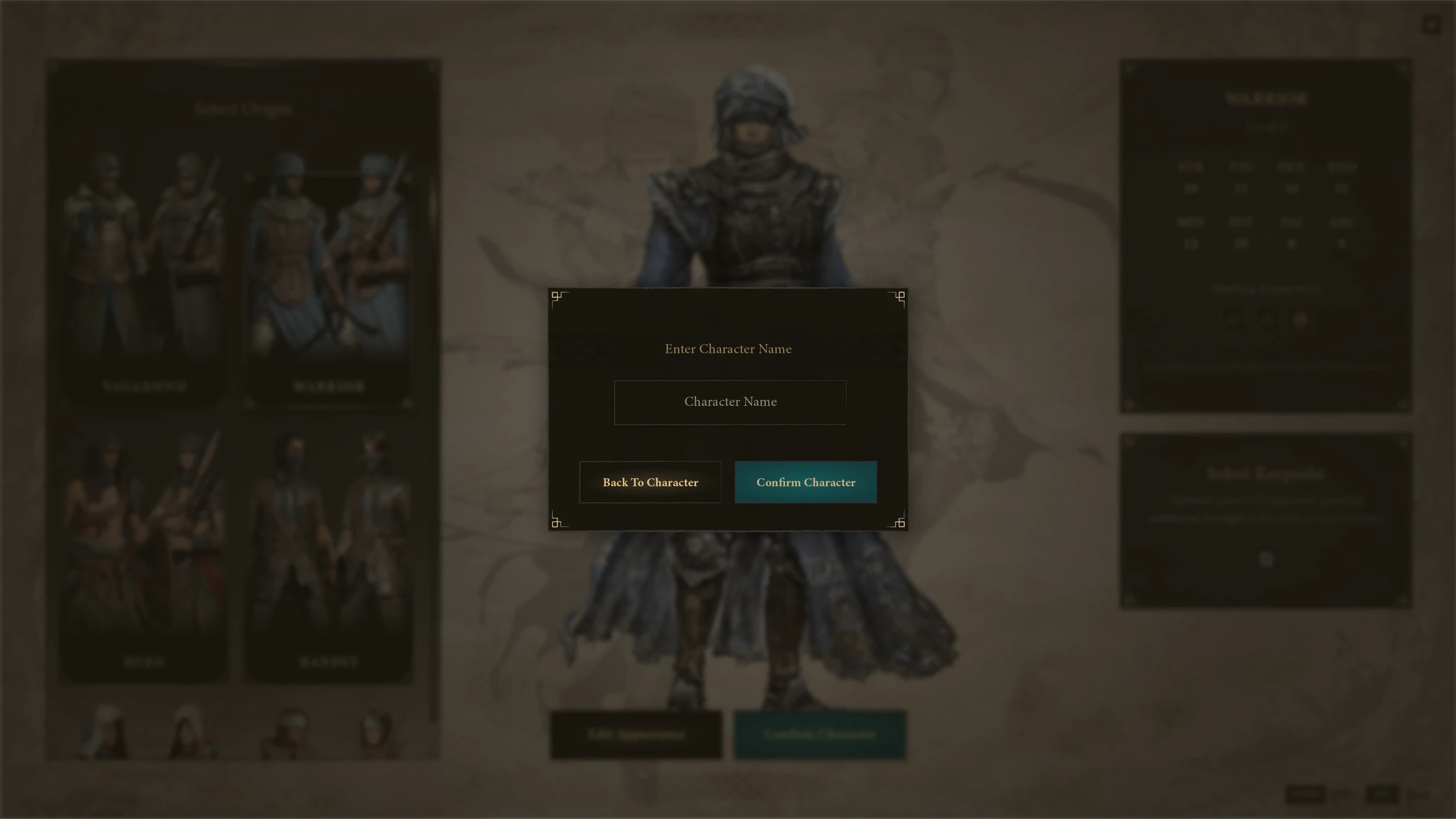
User tested, iterated, and partially implemented in-engine. After one round of iteration, all 5 testers completed the flow without abandoning or randomizing any choice.

Onboarding friction in games is often mistaken for depth. Elden Ring's difficulty is intentional — but the character creation confusion wasn't hard in a meaningful way. It was just opaque. Fixing that doesn't dilute the game. It gets players to the actual challenge faster.

ERG-OUT-01--full