Fintech · DINN (Actinver) · Oct – Dec 2024
Designing for Financial Behavior App
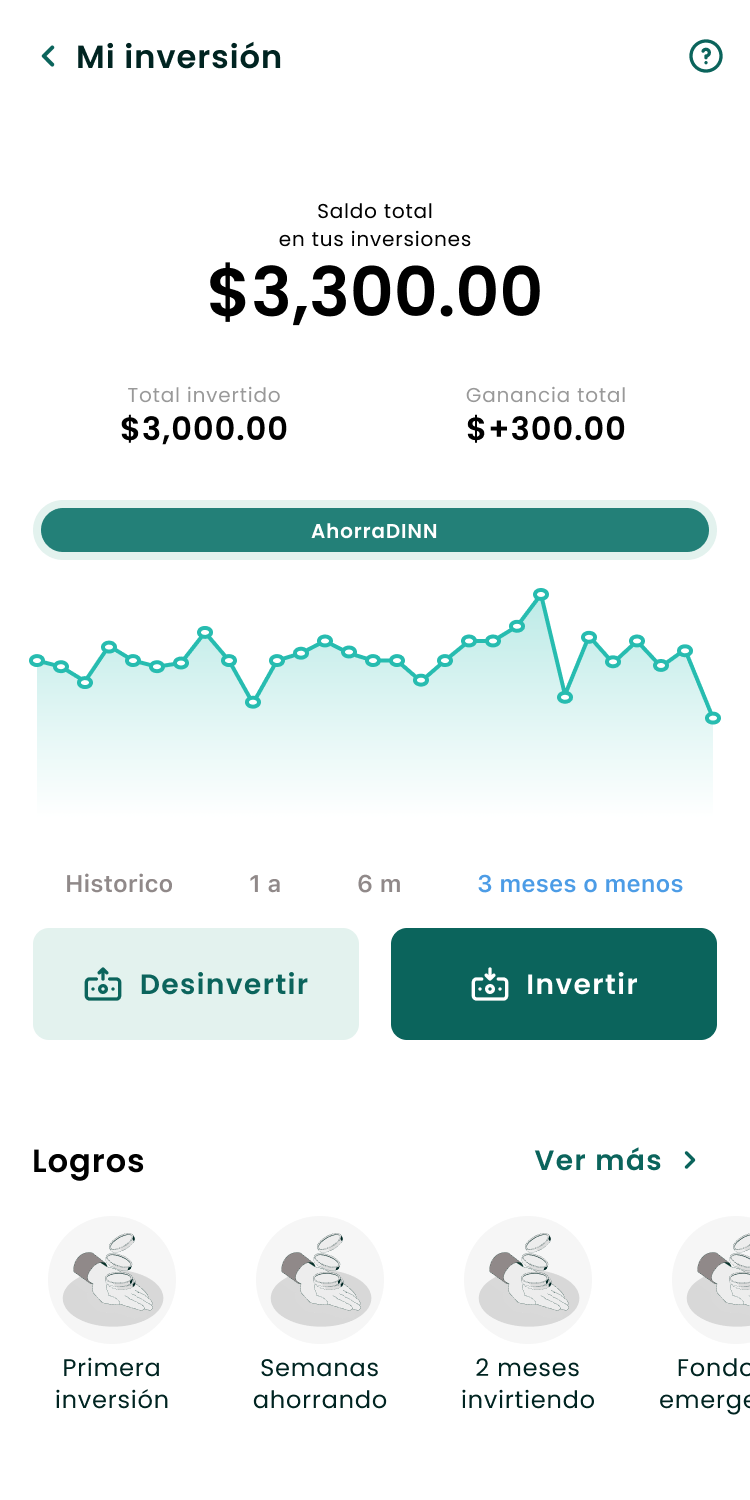
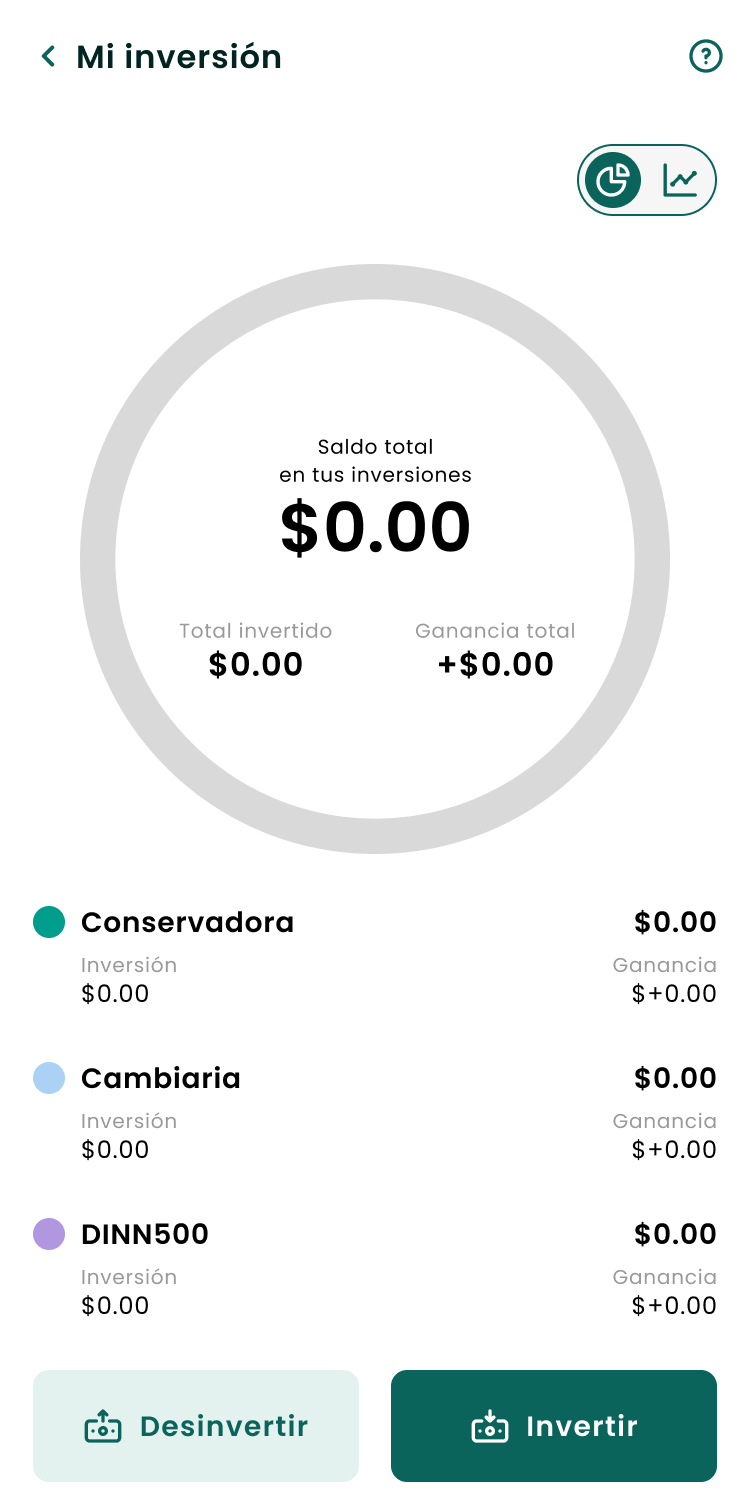
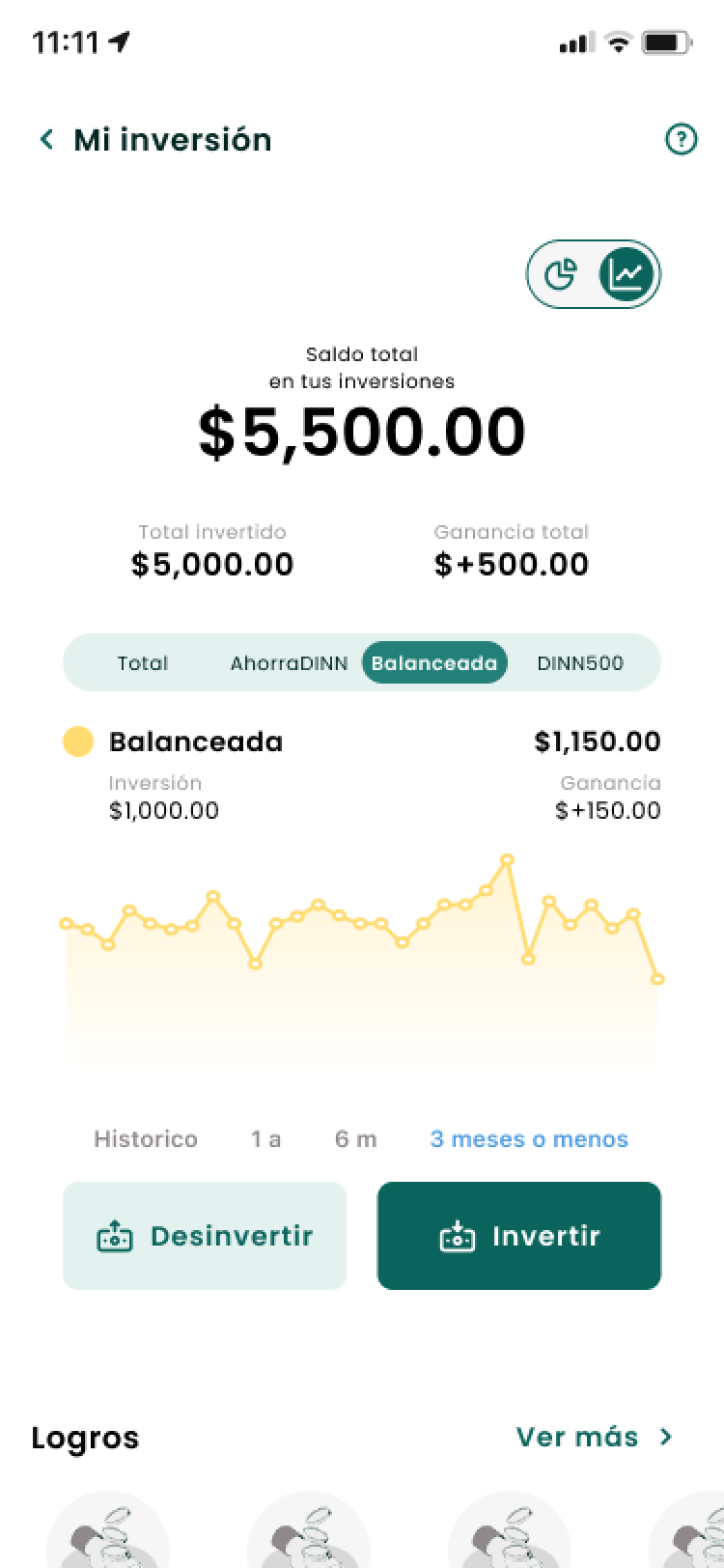
“80% of assets under management were sitting in the most conservative fund. Not because users were risk-averse, but because the app gave them no reason, no guidance, and no structure to do anything else. This is how we redesigned the entire investment experience around behavior, goals, and compliance — without forcing decision.”
Impact


Context
Company: DINN — Actinver's digital investment app for first-time investors in Mexico
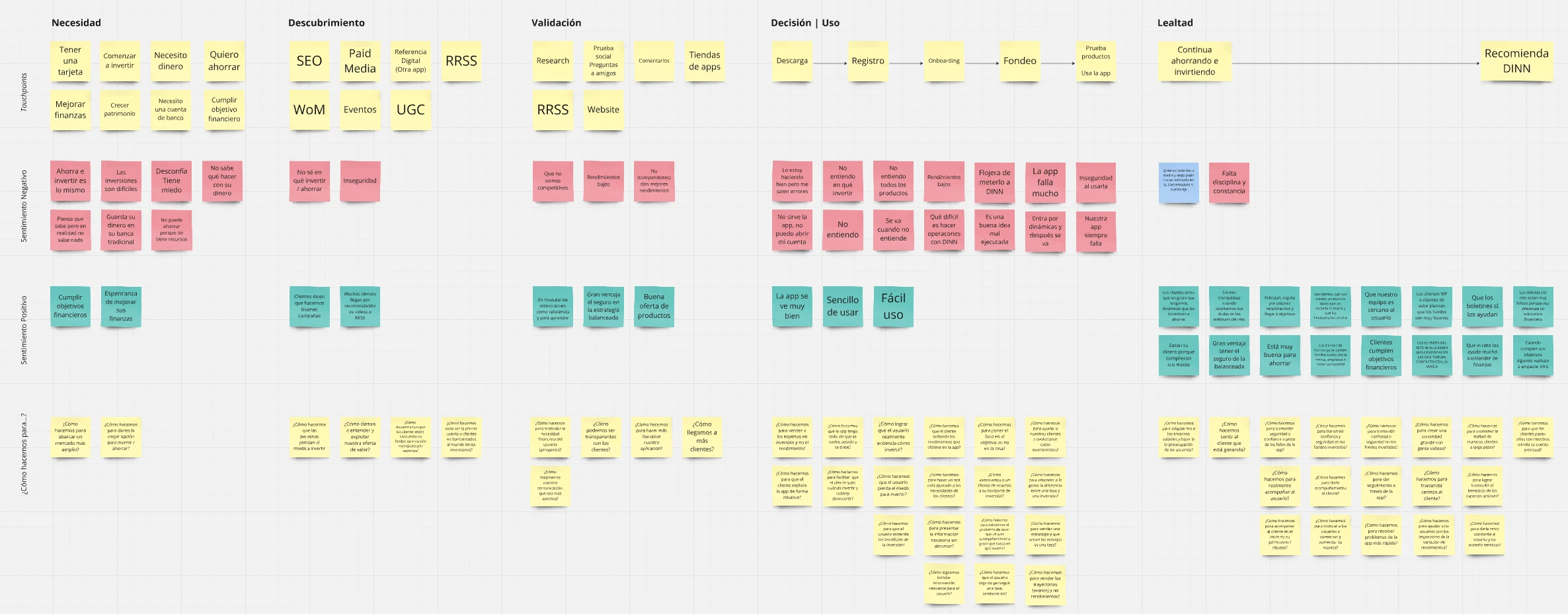
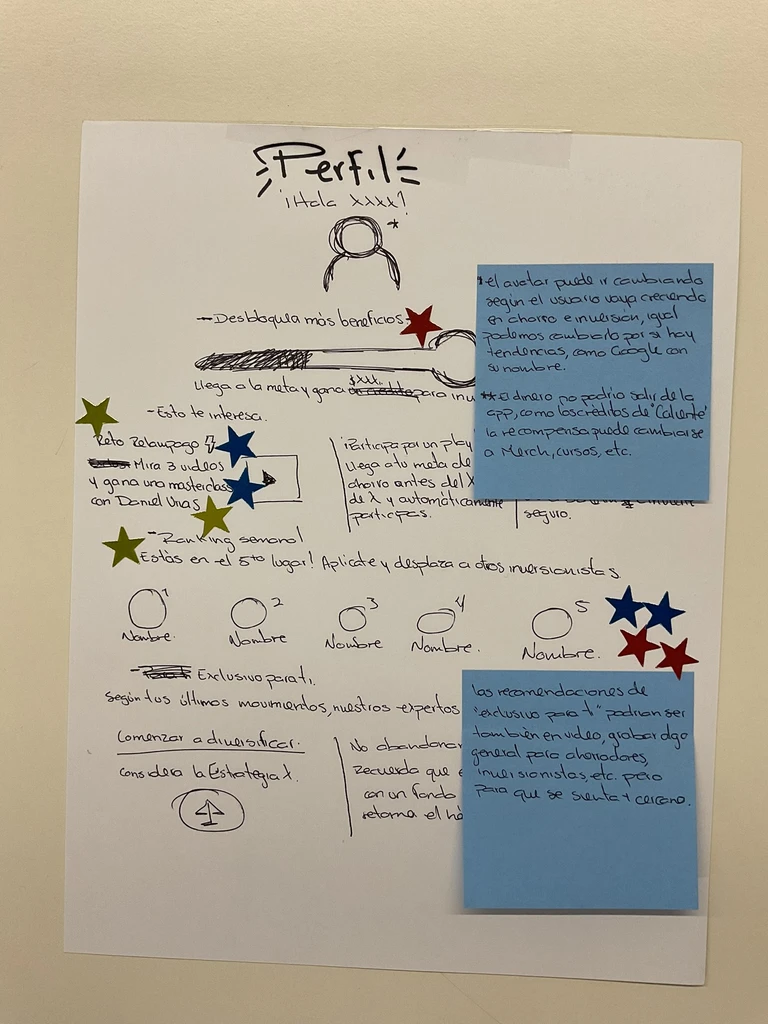
My role: I identified the problem, ran the cross-functional workshops that defined the solution, led UX design across all flows, coordinated the 15-session user testing program, and owned the development handoff documentation. The decision to build this at all came out of a workshop I ran.
Timeline: October – December 2024 — from first workshop to development handoff


The Problem
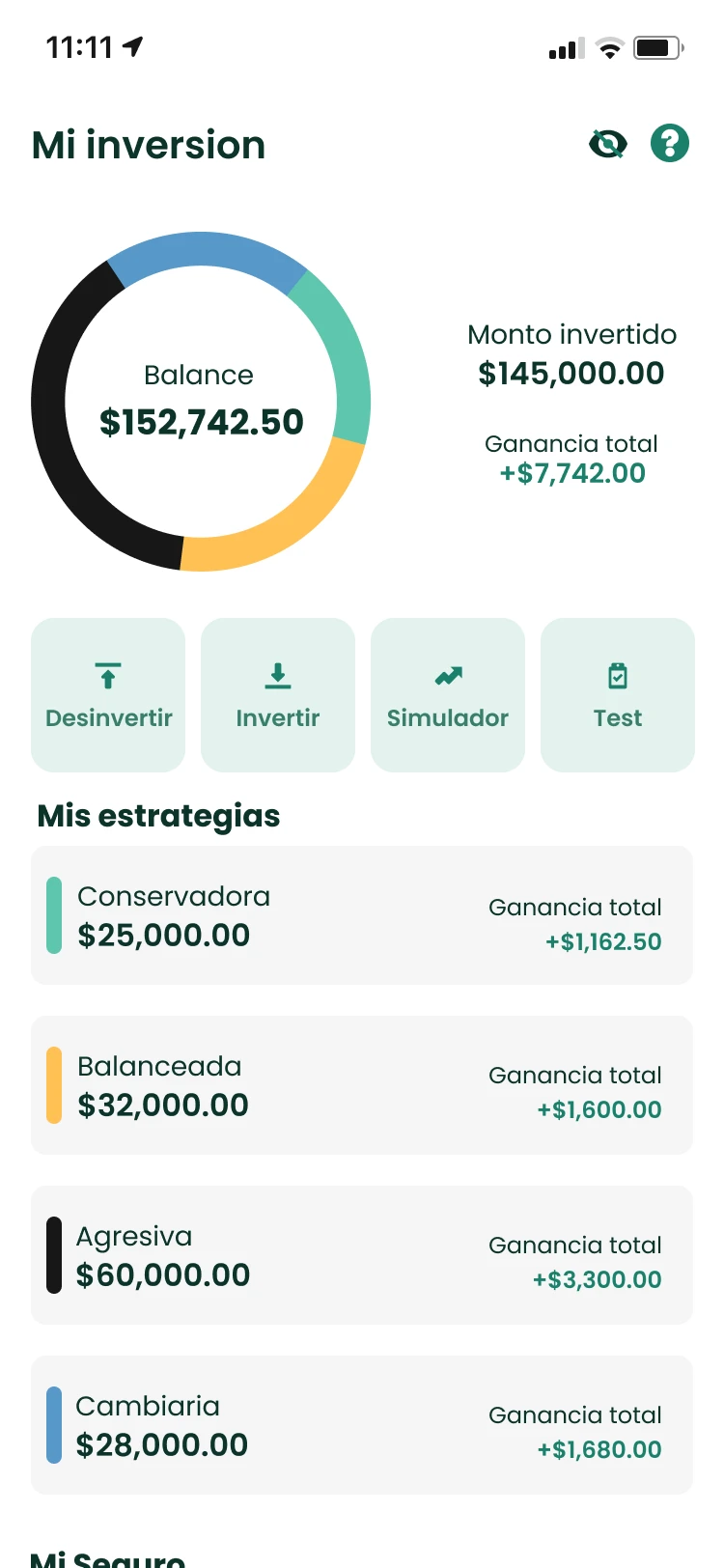
When we mapped user behavior, the pattern was clear: users weren't distributing their investments. They picked one option and stayed there.
The hypothesis: Users default to the conservative option because the product gives them no other frame to work with.
An external study confirmed this. Research conducted in parallel showed that current users had mentally categorized DINN as an "inversión para lo diario / chiquita" — a small, everyday investment tool — regardless of how financially sophisticated they actually were. Trust came from the Actinver parent brand, not from the product experience itself. The redesign had to change what users thought the product was capable of.

The 3 Core Design Decisions
1. Start with the person, not the product
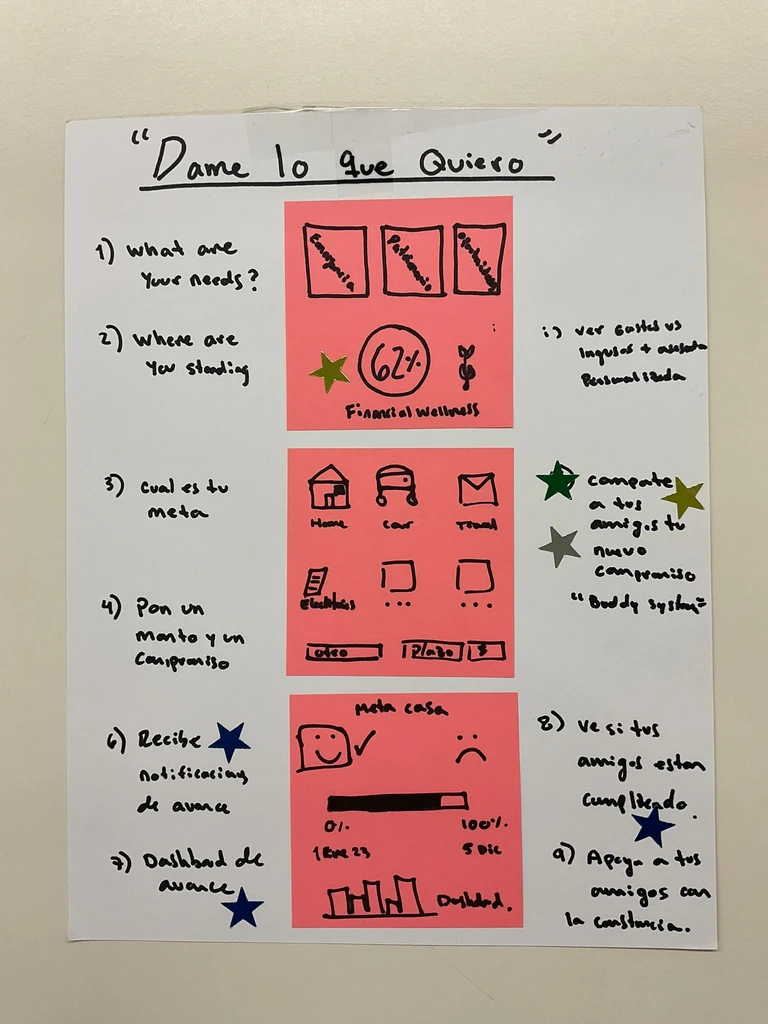
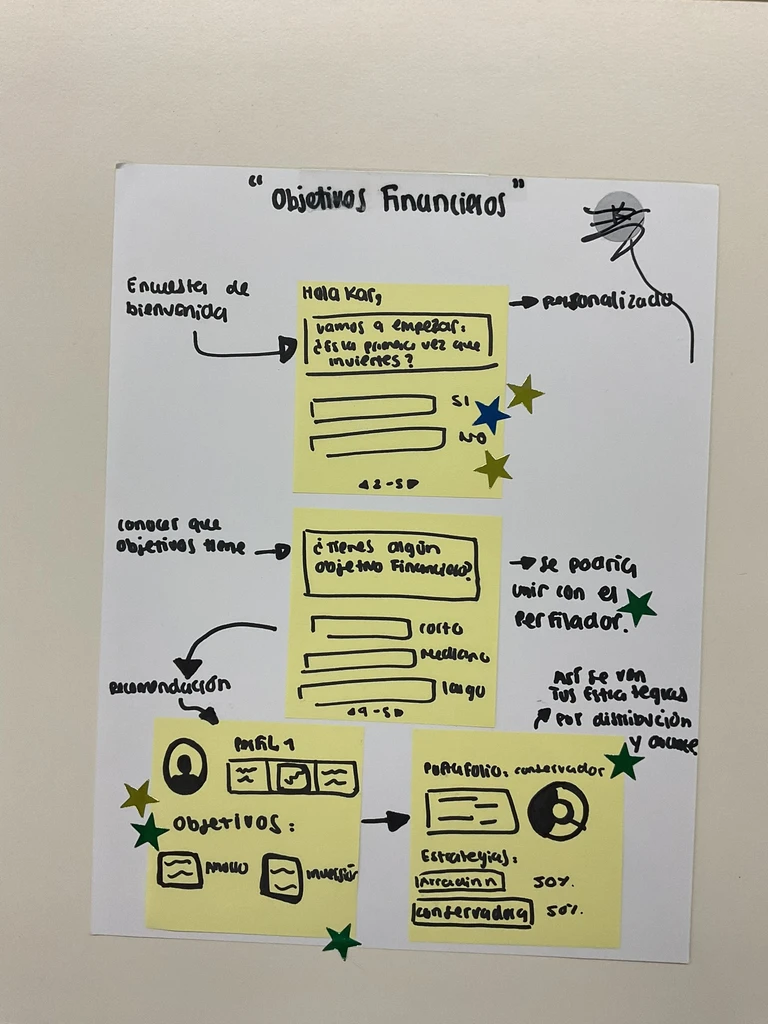
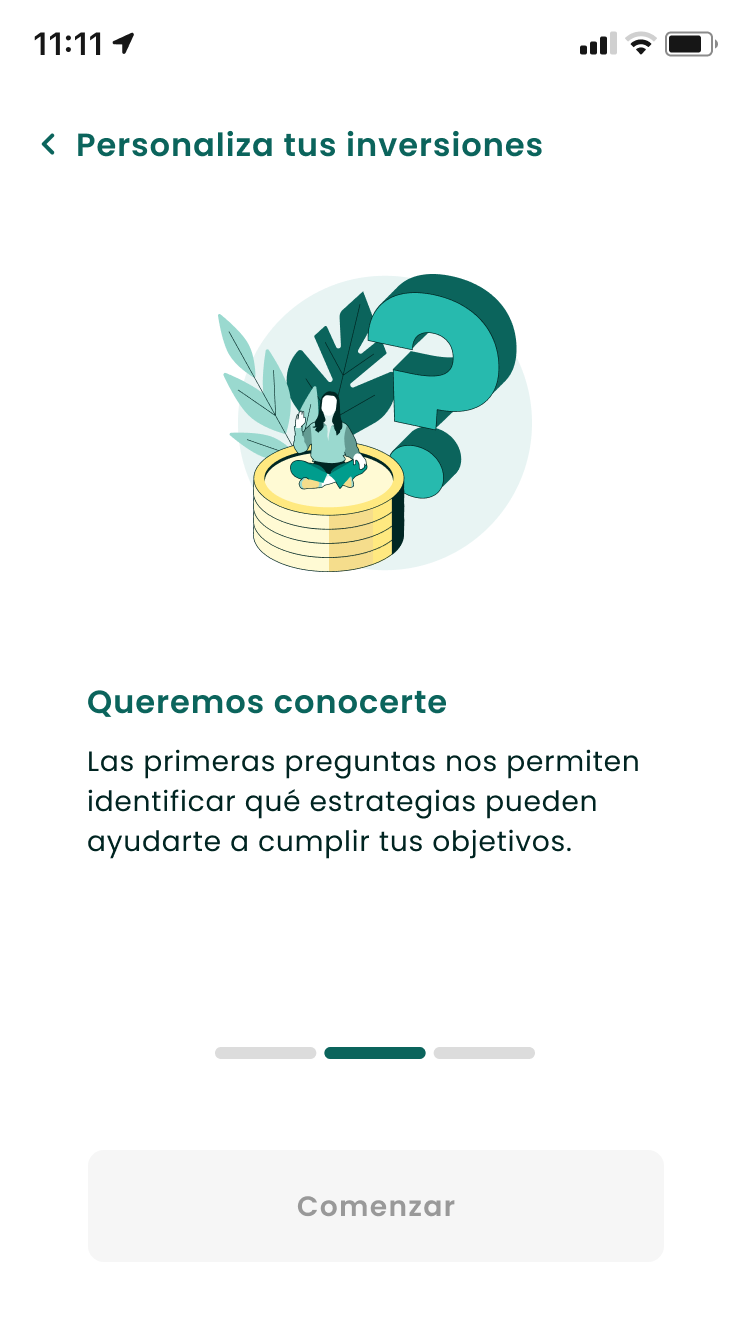
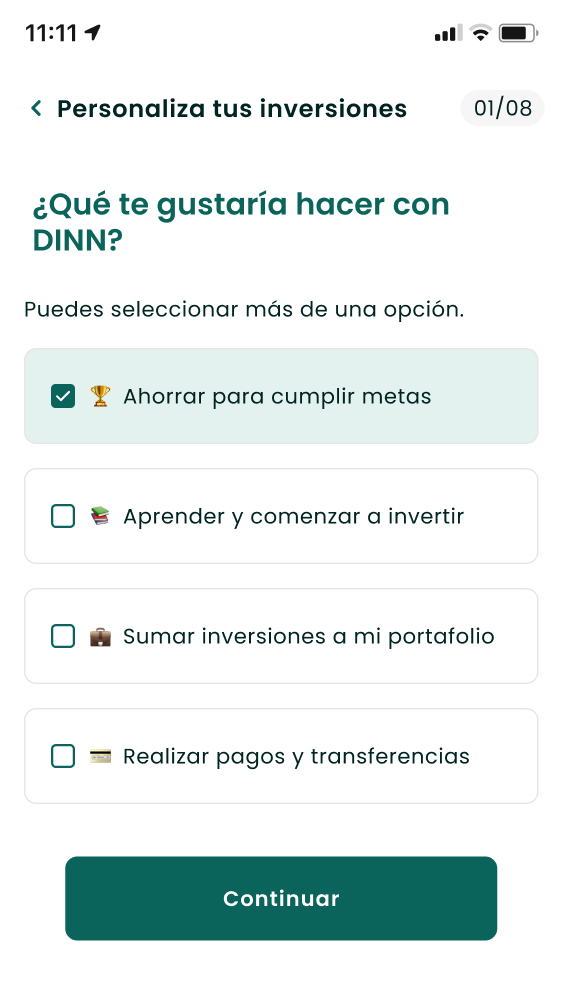
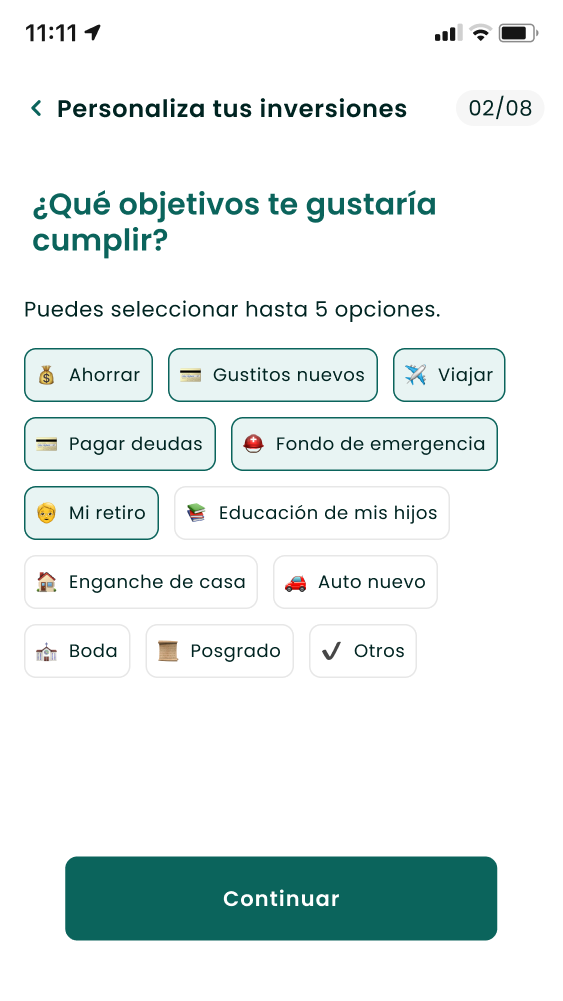
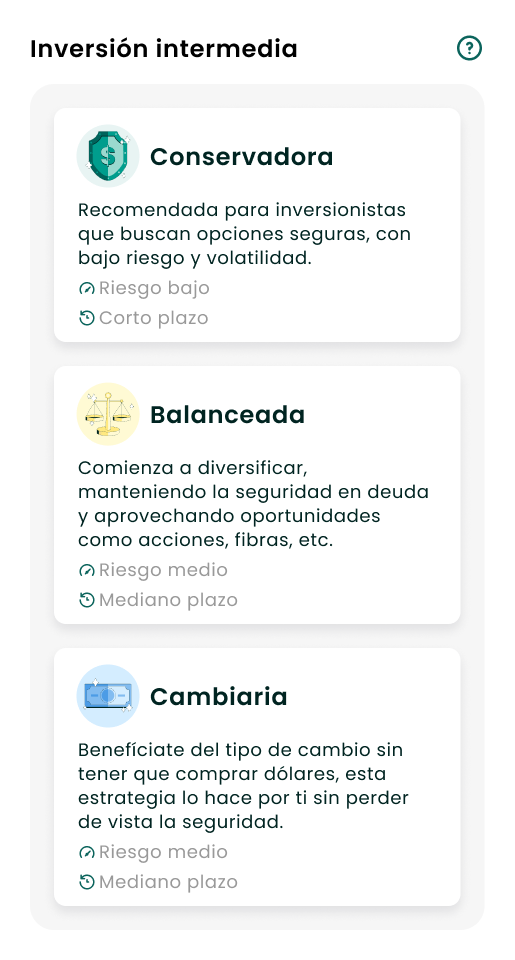
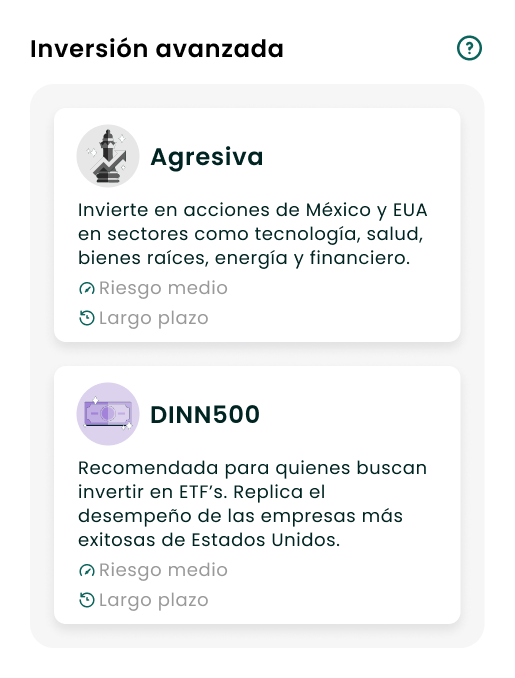
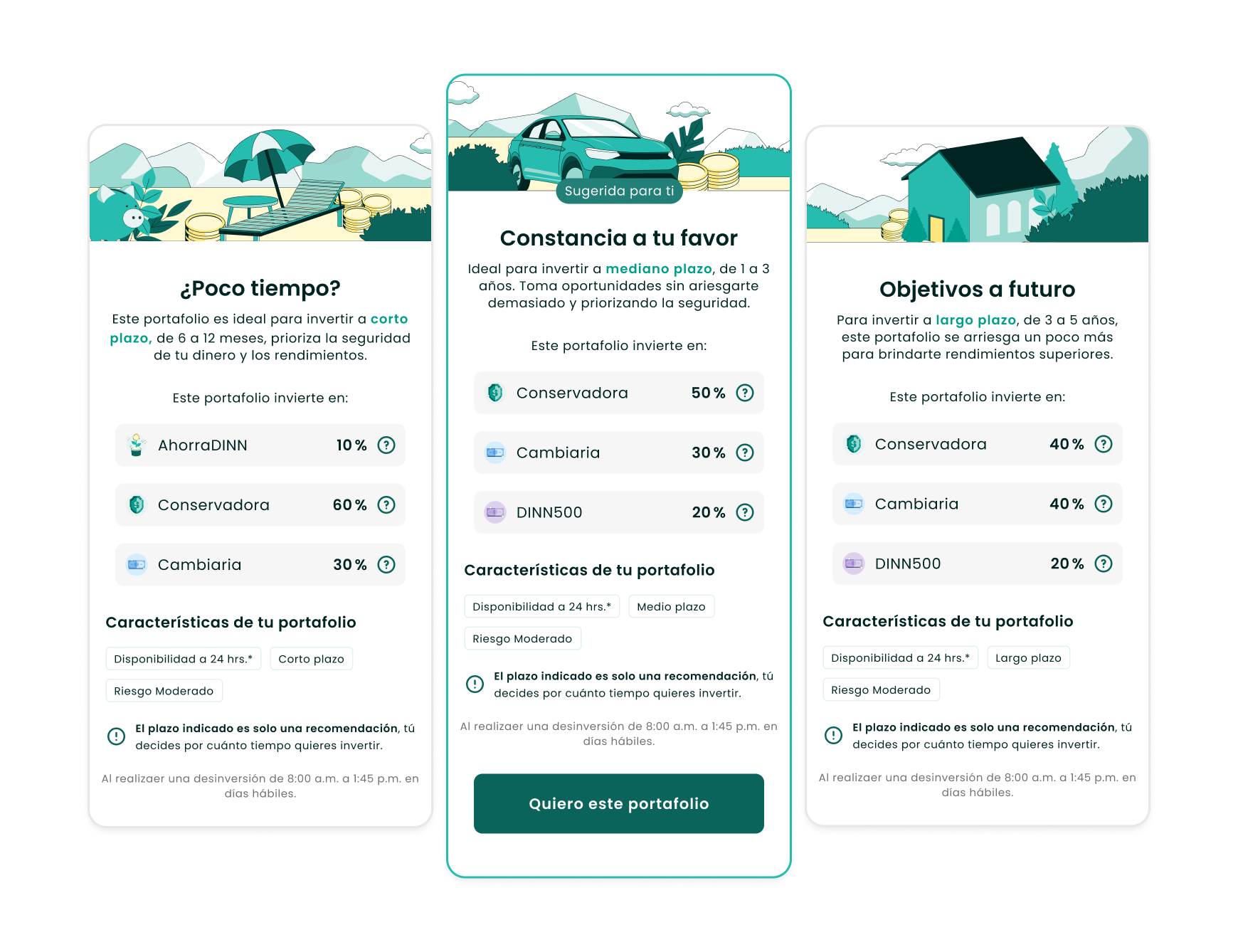
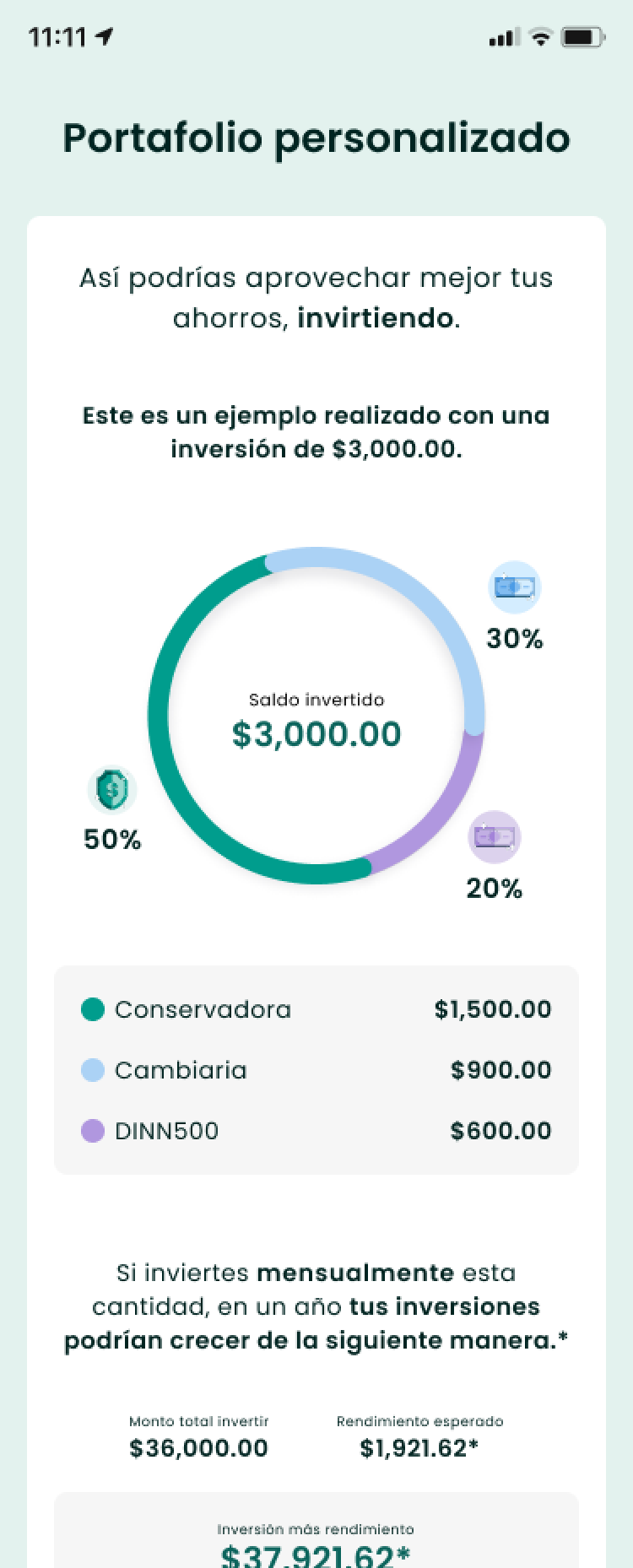
Instead of opening with a list of funds, the experience starts with a few simple questions: What are you saving for? How much can you set aside consistently? How do you feel about risk? Here's what we suggest for your situation — not a generic default.
2. Guided autonomy instead of forced restriction
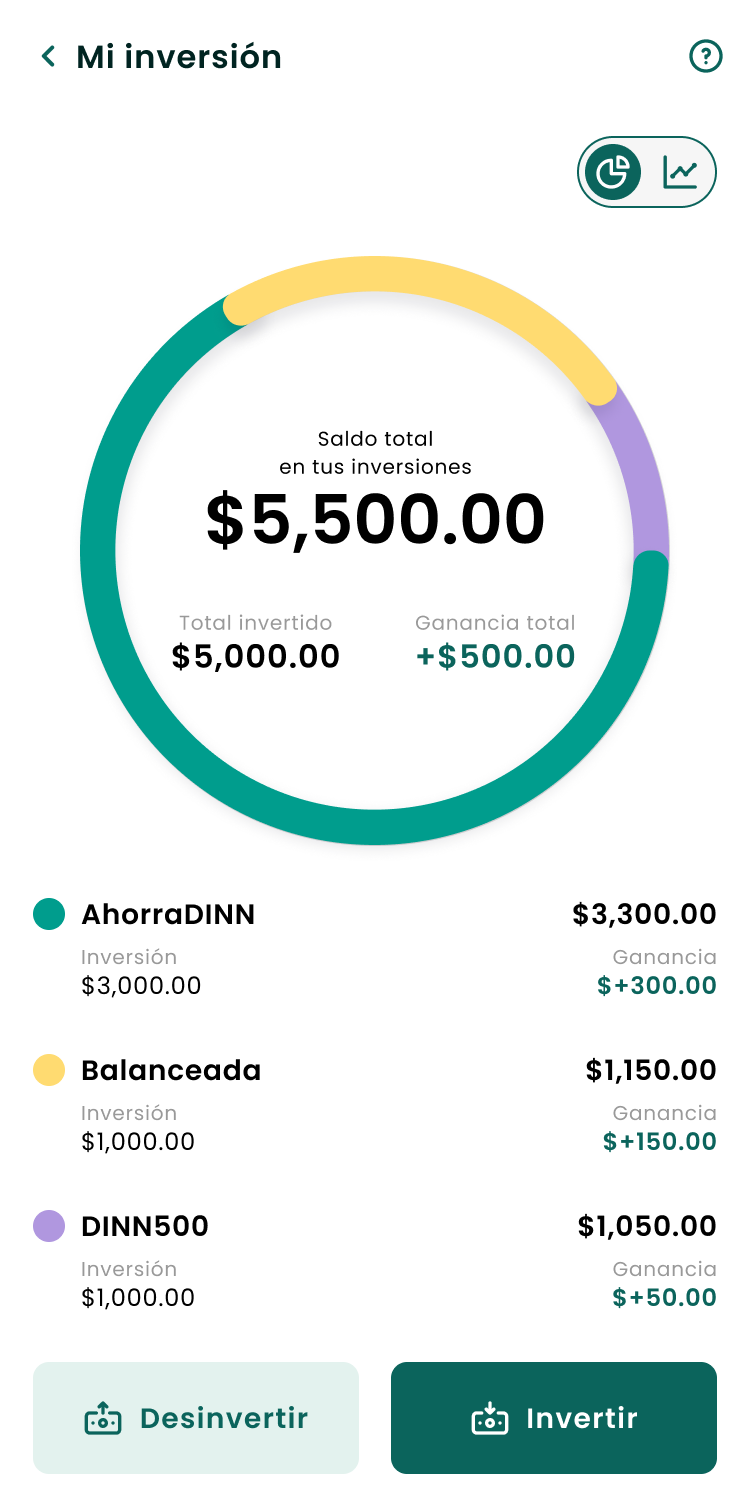
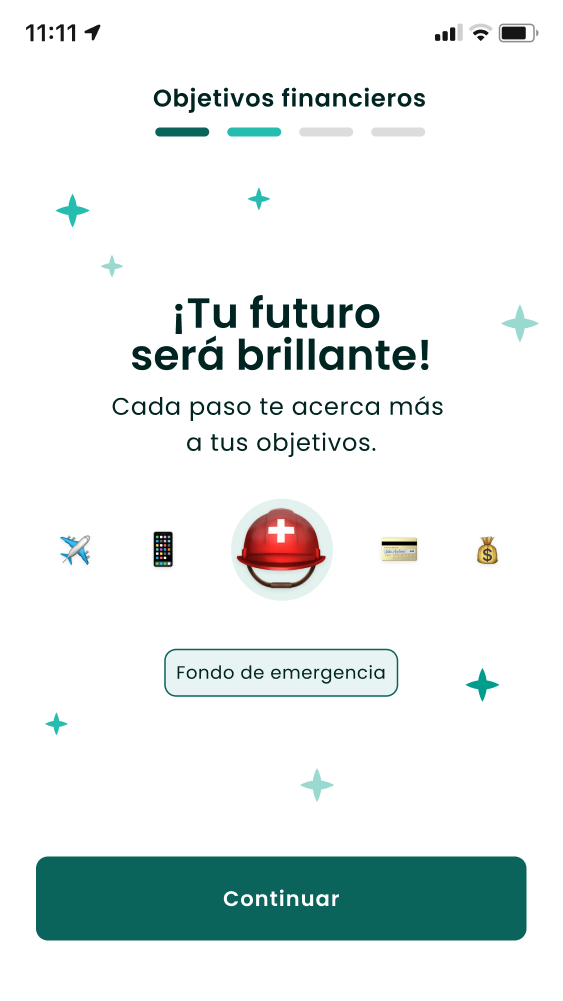
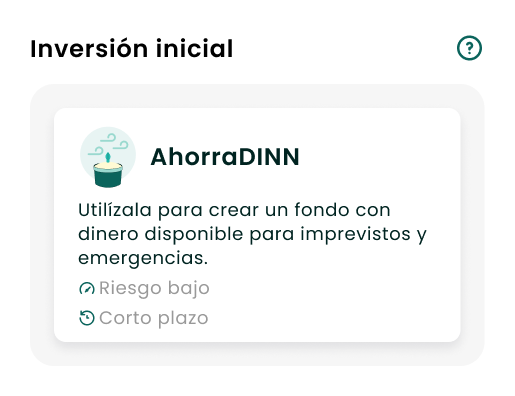
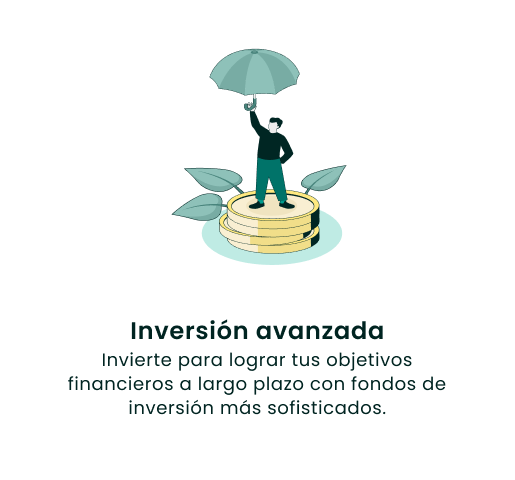
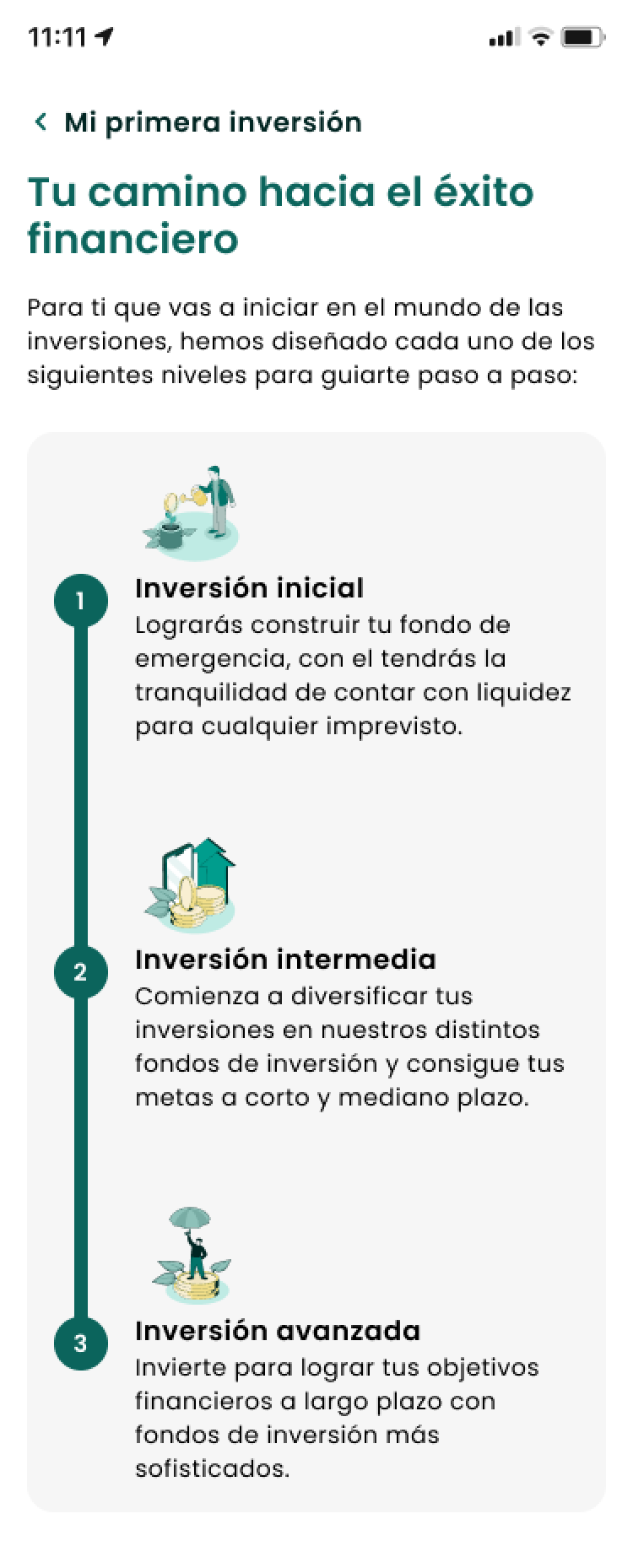
Two distinct paths — one with structure and progressive unlocking tied to real financial milestones, one with full immediate access for users who want autonomy. No paternalism.
3. Regulatory compliance as a trust signal
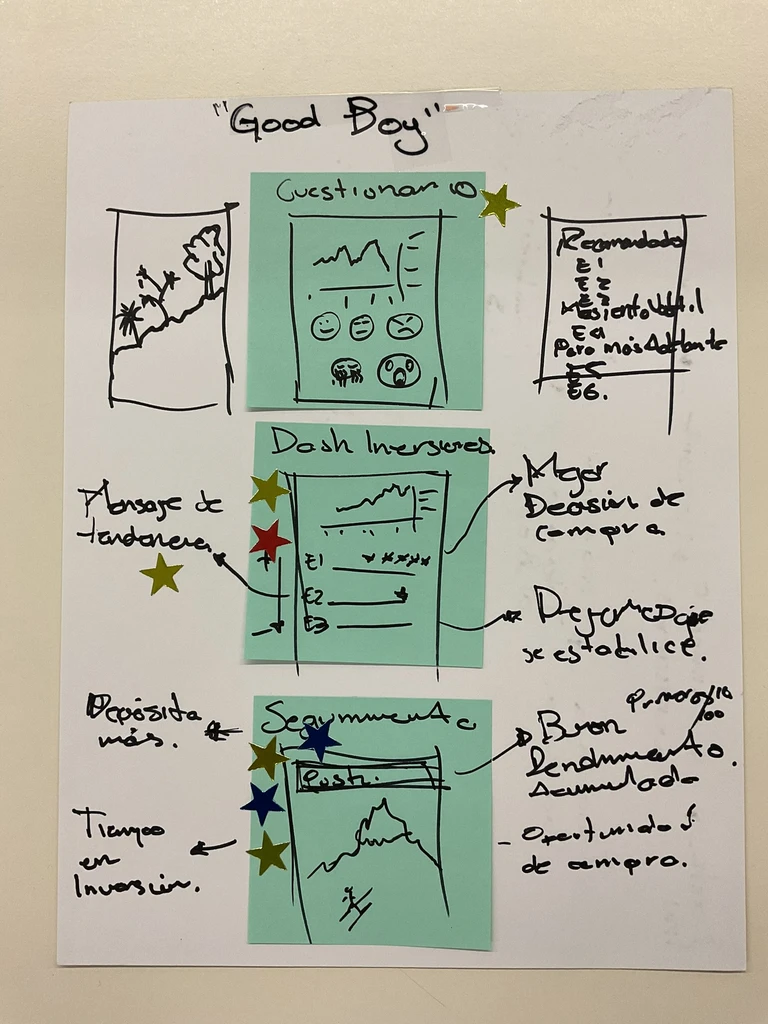
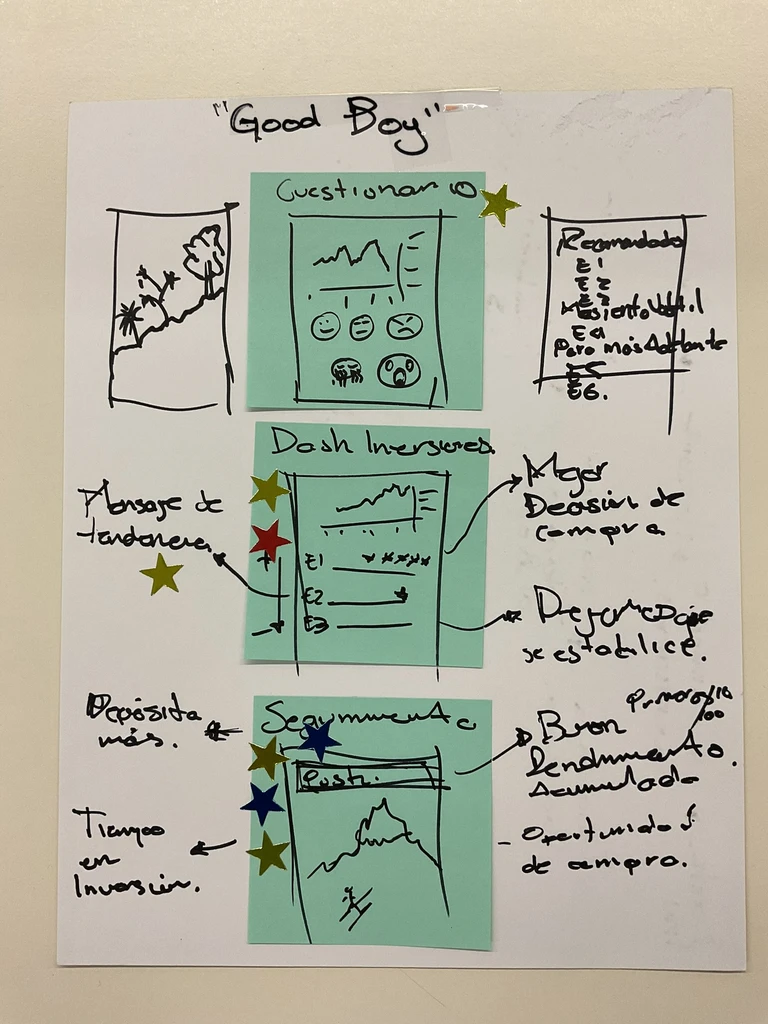
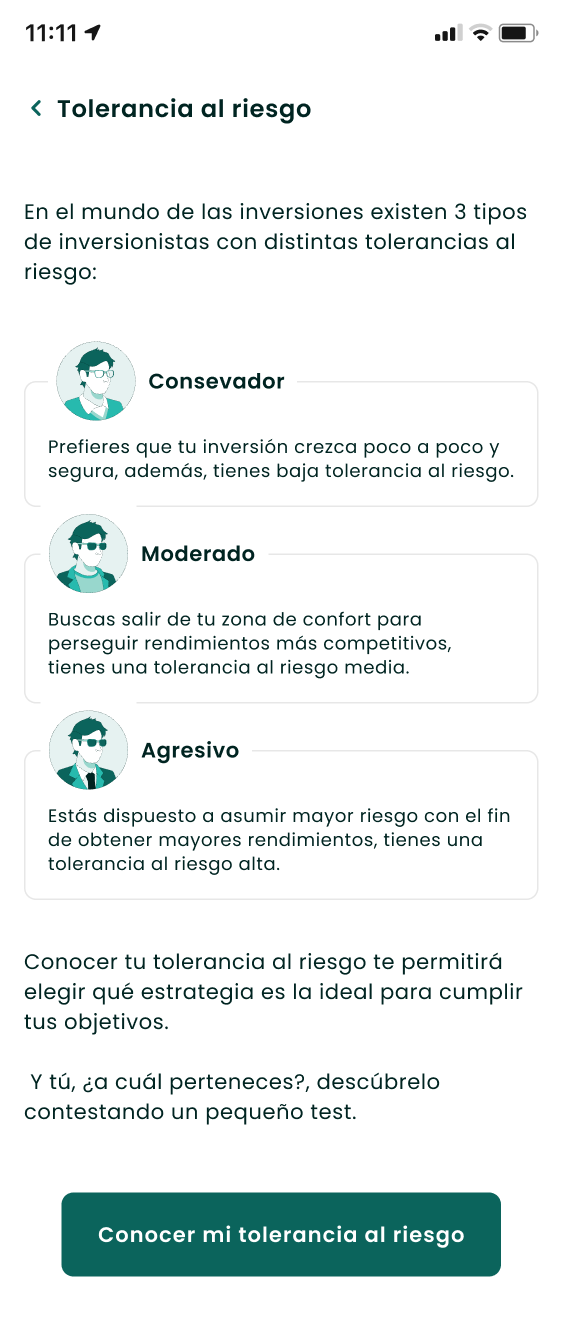
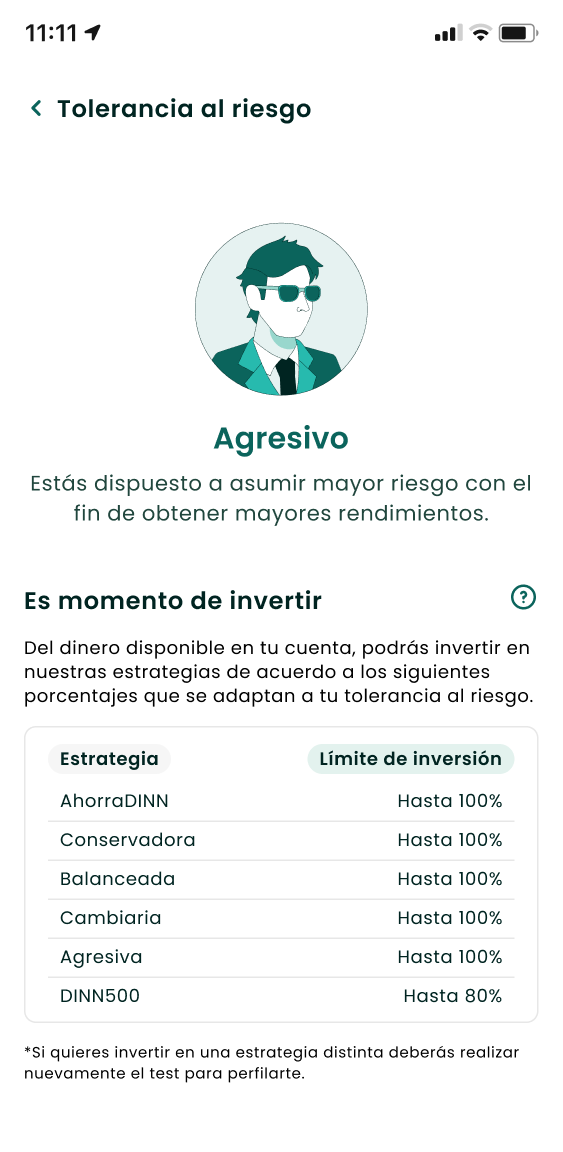
The risk questionnaire couldn't change — fixed by law. But where it lived in the flow could. Moved from random legal interruption to a meaningful step toward getting a personalized recommendation.
Process


Key Deliverables
Outcome
The product shipped with dual-path architecture, full regulatory compliance, and a behavioral framework validated with real users before any development started.
The biggest change wasn't in the UI — it was in how the whole experience was structured. Tying investment access to real financial milestones, and repositioning the regulatory questionnaire as a meaningful step instead of a legal checkbox, made the product work with how users actually think instead of against it.
Quantitative impact on diversification behavior is being tracked via Firebase. More data as the product matures.


Reflection
Financial education works better when it's built into the experience, not added on top. People don't read disclaimers. They respond to structure, milestones, and a sense of moving forward.
In financial products, clarity matters more than giving people more data. Users don't need to understand compound interest to feel confident about investing. They need to feel like the product actually understands their situation. That's a framing problem, not an information problem.
Regulatory constraints can actually help you build better structure. The risk questionnaire couldn't change. But where it sat in the flow could. Moving it from compliance detour to integrated allocation step turned friction into a feature.
In regulated products, alignment is as hard as design. Every decision we made touched Legal, Backend, Growth, and Data simultaneously. The workshops, the business rule documentation, the structured handoffs — that coordination work was as important as the UX itself.